


Welcome to your journey of being a responsible and loving 'owner'! One of the first important milestones for you and your 'little boss' is the trip to the vet. This is not only a regular health check-up but also an opportunity for you to get to know your little friend better. However, the unfamiliar environment, strange smells and contact with strangers can make both you and your pet feel anxious. Don't worry, this article will be a guide to help you prepare everything carefully, making the first veterinary trip a positive and least stressful experience.
Part 1: Home Preparation - The Foundation for a Successful Trip
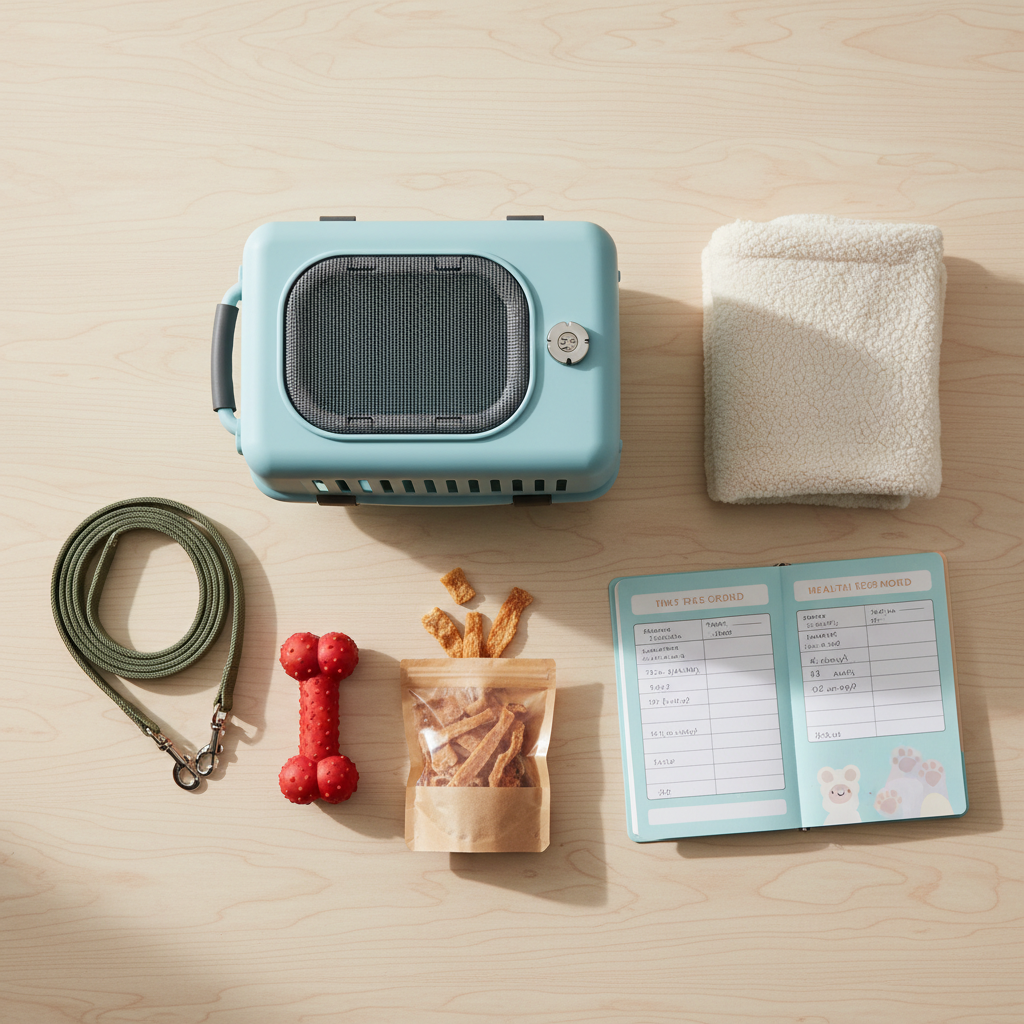
Careful preparation in advance will determine 70% of the success of the trip. Don't wait until the last minute to frantically search for things, plan ahead. First, call to make an appointment at the least crowded time of the day, such as early morning or early afternoon, to minimize waiting time and contact with many other pets. At the same time, gather all necessary documents such as health records, ownership certificates (if any), and note any questions or concerns about your pet's health or behavior to ask the doctor.
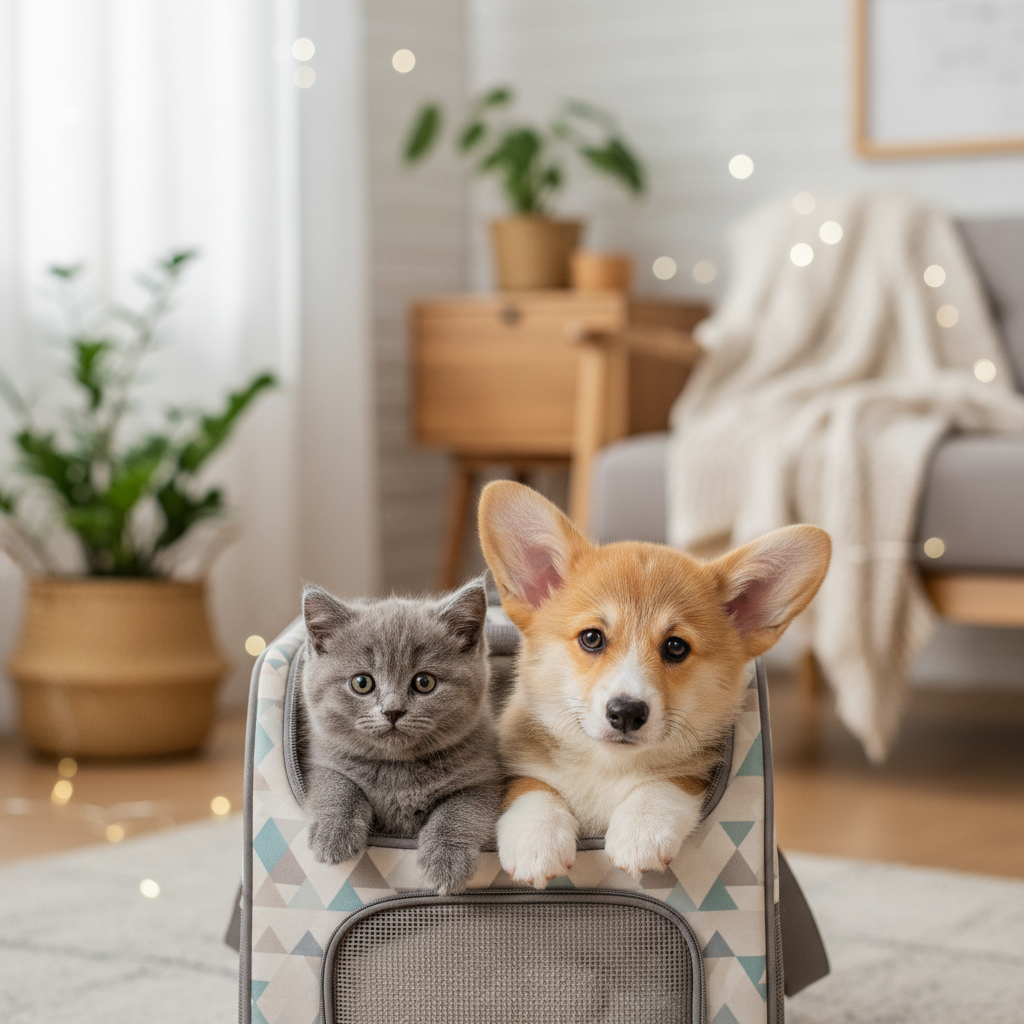
One of the biggest stressors is the carrier. Make it a safe 'home away from home' instead of a 'scary box'. A few days before the trip, place the carrier in your baby's usual area, open the door and put in a soft blanket that smells like you, a few favorite toys and the occasional sprinkle of treats. Encourage your baby to go in and out and explore. Never force your baby into the carrier. The goal is for your baby to associate the carrier with positive things like safety, comfort and rewards.
Part 2: On the Big Day - Keeping Your Spirits Up
Pets are very sensitive to their owners' emotions. If you are worried or stressed, they will feel it and become anxious too. So, keep yourself calm and positive. Talk to your baby in a gentle, cheerful tone. Before leaving, spend some time playing gently to release some of your baby's energy. Note, ask the clinic if your baby needs to fast before coming, especially if there are vaccinations or tests scheduled.
When traveling by car, place the carrier in a secure, safe position in the car to avoid displacement. You can use a seat belt to secure the carrier. If possible, cover the carrier with a thin towel to reduce visual stimulation from the outside, helping your baby calm down. Drive slowly, avoid sudden braking or sudden turns.
Part 3: At the Clinic - Overcoming Challenges
When you arrive at the clinic, keep your baby in a carrier or on a short leash. Find a quiet corner in the waiting room and avoid letting your baby get too close to other animals, as not all 'friends' are friendly. Stay with your baby throughout the procedure, petting and talking to him to reassure him. You are his greatest comfort right now. Help the doctor hold your baby if necessary, but follow instructions to ensure everyone's safety.
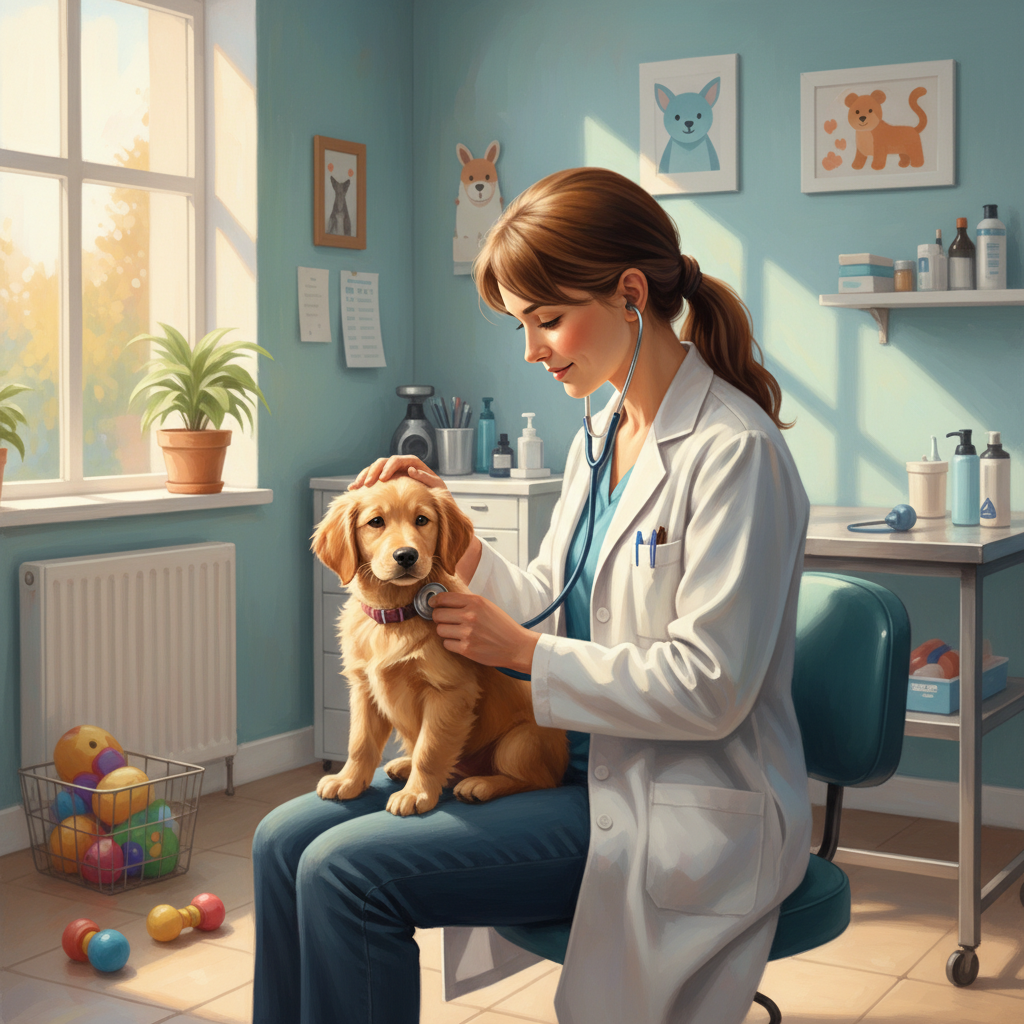
This is your golden opportunity to ask any questions you may have. Don’t hesitate to ask your doctor about vaccination schedules, deworming, diet, dental care, signs of illness, or anything else you may be wondering about. Having a list of questions ready will help you avoid missing important information.
Part 4: After the Trip - Rewards and Memories
As soon as you get home, reward your little one with a special treat or spend some extra time playing and cuddling. This creates a positive association: a slightly unpleasant experience is a great reward. Monitor your little one closely for 24 hours after vaccination to detect possible side effects such as swelling, fatigue, loss of appetite. Finally, write down the date and follow-up appointment in your calendar. The first veterinary trip can be challenging, but with careful preparation and a loving heart, you and your little friend can get through it together in the most gentle way.


0 comments