


Dealing with a picky cat ('boss') is a familiar challenge for many pet owners. Among the myriad of choices, two main product lines, pate (wet food) and granulated food (dry food), are often put on the scale. Each type has its own advantages and disadvantages, suitable for each cat's health condition, age and preferences. This article will analyze scientifically and objectively to help you make the best decision.
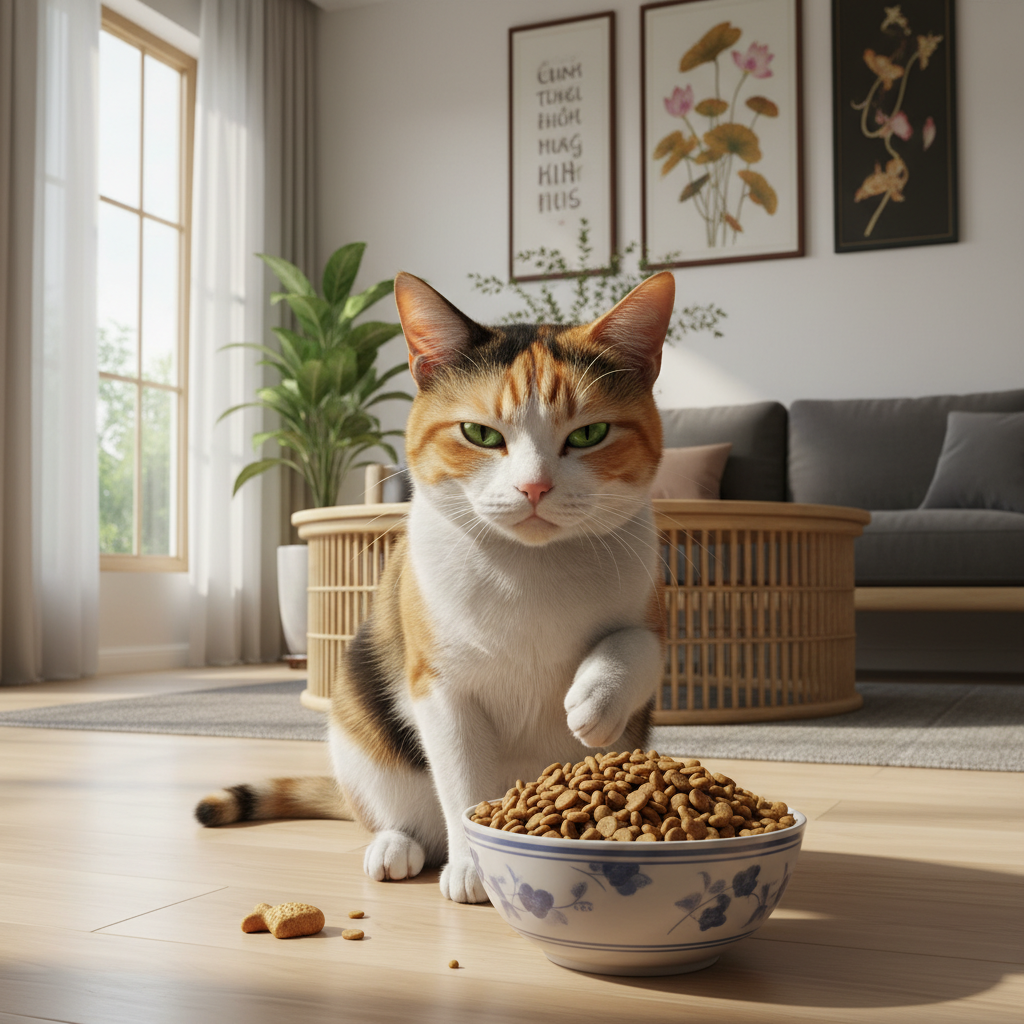
1. Pate: The savior for difficult bosses
Pate is often considered an instant solution when cats lose their appetite. With its soft, moist texture and rich flavor, pate easily conquers the most sensitive noses and taste buds.
Pate is the optimal choice when:
- Need to add water: The high water content (usually 70-80%) in pate is an excellent source of water, especially important for cats that are lazy to drink water, helping to prevent kidney and urinary tract diseases.
- Stimulates taste buds: The attractive flavor of fresh meat and fish in pate is a powerful 'weapon' to entice cats to eat when they are sick, have a poor appetite or are recovering.
- Cats with dental or digestive problems: The soft texture of pate makes it easier for older cats, teething kittens, or cats with gum disease to eat. Pate is also more digestible than kibble.
- High Protein Diet: Pate is typically high in animal protein and lower in carbohydrates, more closely resembling a cat's natural diet.
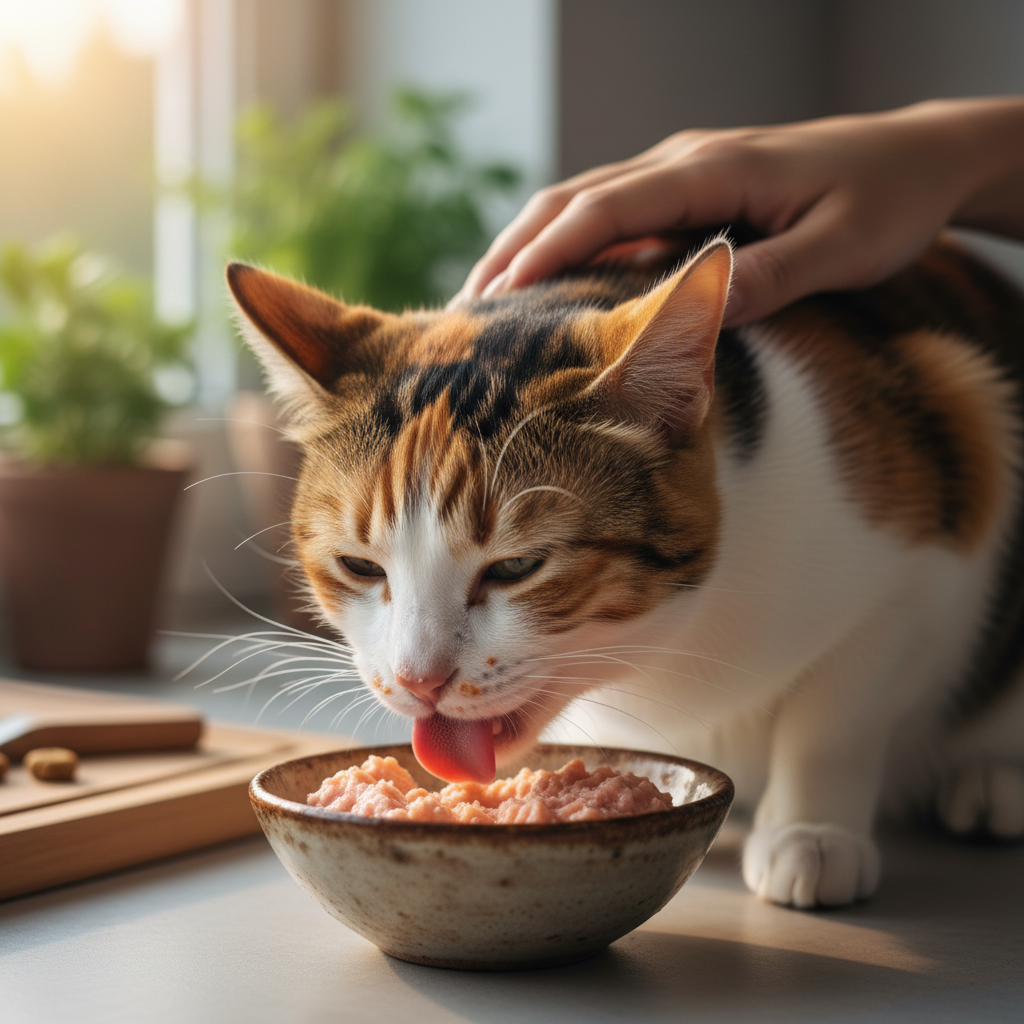
2. Granulated food: Convenient and long-term nutritional foundation
Despite the many advantages of pate, dry food remains an indispensable nutritional foundation in the diet of most healthy cats. Consistently training your cat to eat dry food brings many long-term benefits.
Stick with grain foods for the following reasons:
- Convenient and economical: Dry food is easy to store, easy to measure portions and is more affordable than pate. This is an ideal choice for busy owners and is suitable for free-feeding.
- Support oral health: Chewing dry seeds has a mechanical effect, helping to clean plaque on the tooth surface, contributing to reducing the risk of tartar formation and gum disease.
- Balanced and complete nutrition: High quality seeds are researched to provide a balanced diet , including full vitamins and minerals necessary for the comprehensive development of cats.
- Easy Portion Control: Precisely measuring the amount of kibble helps control calorie intake, helping to maintain your cat's ideal weight.
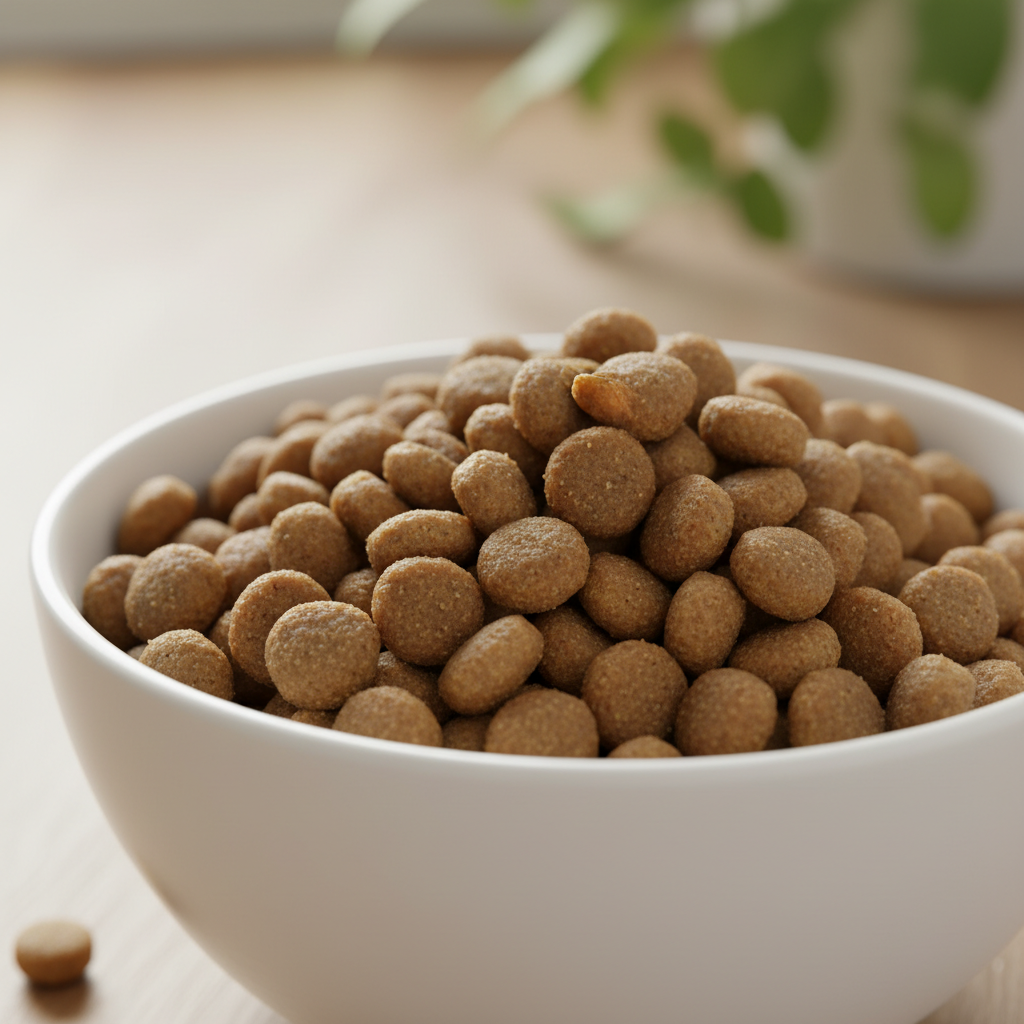
3. 'Mixed Feeding' solution: Double benefits
Instead of having to choose between the two, 'mixed feeding' – combining both wet and dry food – is a trend that many veterinary nutritionists are promoting. This method allows you to take advantage of the advantages of both types.
The combination of both pate and seeds offers many advantages:
- Optimizing benefits: Cats are hydrated and enjoy the delicious taste of pate, while also benefiting from dental health and the convenience of grains.
- Diversify meals: Changes in texture and taste help stimulate your cat's appetite, avoiding boredom and fussiness with a fixed type of food.
- Feeding flexibility: You can feed your cat kibble during the day while you're at work and reward them with a delicious pate meal in the evening.
4. Important tips when choosing food
- Patience is key: When switching foods, do it slowly over 7-10 days by mixing the old and new foods together to give your cat's digestive system time to adjust.
- Observe your cat's reaction: Always monitor your cat's stool, activity level, and overall health when introducing a new food.
- Consult your vet: This is the most important step, especially if your cat has an underlying medical condition. Your vet will be able to advise you on the most appropriate nutrition.
- Quality comes first: Whether it's pâté or nuts, always read the ingredients carefully and prioritize products with clear animal protein sources (like chicken, salmon) at the top of the list.
Conclude
There is no definitive answer to whether pate or kibble is better . Pate is a great 'savior' for picky, sick or hydrated cats, while kibble is a convenient and dentally healthy nutritional foundation. The ideal solution is often a smart combination of the two (mixed feeding) to ensure your 'boss' is always healthy, happy and has delicious meals.


0 comments