


Life Stage Nutrition: The Foundation for Your Pet's Total Health
Just like humans, the nutritional needs of cats and dogs change significantly through each stage of life. Choosing the right type of pate and grain for cats and dogs not only helps them grow healthy but also prevents many diseases. An inappropriate diet can lead to growth problems, obesity, or age-related diseases. This article will provide a scientific guide to help you choose the most suitable cat and dog food for each stage: puppies, adults and seniors.
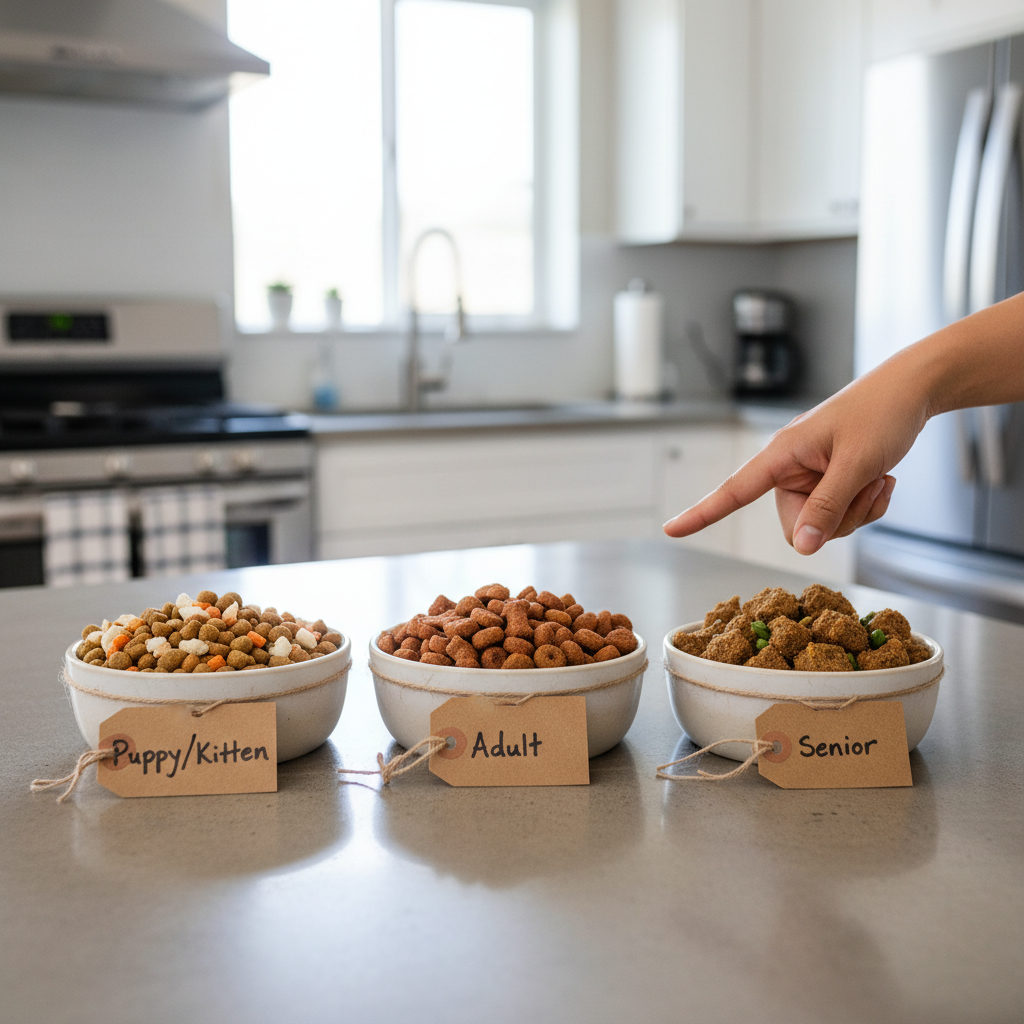
1. Nutrition for Kittens and Dogs (Under 12 Months Old): Stage of Rapid Growth
This is the most important stage, requiring an abundant source of energy and nutrients to build a solid physical foundation. The puppy or kitten's diet should focus on supporting the development of bones, muscles, brain and immune system.
- High Energy Needs: Puppies and kittens need two or three times more calories than adult dogs and cats to fuel their rapid growth.
- Rich in Protein and Fat: Protein is essential for building muscles and tissues. Fat provides concentrated energy and essential fatty acids. Look for puppy pate and kitten kibble products that contain high-quality animal protein sources.
- DHA (Docosahexaenoic Acid): An Omega-3 fatty acid that is extremely important for brain and vision development.
- Balanced Calcium and Phosphorus: The correct ratio of Calcium and Phosphorus is vital for the development of strong bones and teeth.
The right choice: Look for products that are clearly labeled “For Puppies/Kittens” or “All Life Stages.” Kitten pate is typically soft, smooth, and moist in texture, making it easy for them to eat and hydrate. Puppy kibble should be small enough to fit their jaws.

2. Nutrition for Adult Dogs and Cats (From 1 to 7 Years Old): Maintaining Health and Shape
As dogs and cats enter adulthood, their energy needs decrease. The nutritional goals are to maintain overall health, maintain a healthy body shape, and prevent chronic diseases such as obesity and kidney problems.
- Balanced Energy: The diet should provide enough energy for daily activities but must be controlled to avoid unwanted weight gain.
- High-quality protein: Helps maintain lean muscle mass and supports bodily functions.
- Omega-3 & Omega-6 Fatty Acids: Essential for healthy skin and a shiny coat.
- Fiber and Prebiotics: Support a healthy digestive system, help with optimal nutrient absorption and maintain a balanced gut microbiome.
Choosing the right food: Use adult dog pate and adult cat kibble labeled “Adult” or “Maintenance.” The ingredients should be balanced, not too high in fat, and appropriate for your pet’s activity level.

3. Nutrition for Old Dogs and Cats (Over 7 Years Old): Supports Aging and Enhances Resistance
Senior dogs and cats have slower metabolisms and are more susceptible to age-related diseases such as arthritis, decreased kidney function, and digestive problems. Their diets need to be adjusted to support these functions.
- Lower Energy: Reduced calories to prevent obesity, a common condition in sedentary pets as they age.
- Joint Support: Ingredients like Glucosamine and Chondroitin are important for maintaining joint flexibility and reducing pain from arthritis.
- Easily digestible protein: Choose high-quality but easily digestible protein sources to reduce the burden on your kidneys.
- Increased fiber: Helps prevent constipation and supports a healthy digestive system.
- Antioxidants: Vitamin E, Vitamin C and Selenium help boost the immune system and fight cell aging.
Good choices: Look for “Senior” or “Mature” formulas for senior dogs and cat kibble . These often have softer textures and appealing flavors to appeal to picky eaters.
Conclude
Choosing the right food for your cat or dog for their life stage is one of the most important decisions you can make for their health. By understanding the specific nutritional needs of each age group, you can provide your four-legged friend with a long, healthy and happy life. Don’t hesitate to consult your veterinarian for advice that is best suited to your pet’s specific health condition.


0 comments