


1. Introduction: Pate and Seeds - Two nutritional worlds
In the world of pet nutrition, pate (wet food) and kibble (dry food) are the two most popular choices. However, behind the differences in texture and taste is an 'underground' war that directly affects two vital factors: hydration and kidney health of your dog or cat. This article will analyze objectively based on scientific factors to help you make the best choice.
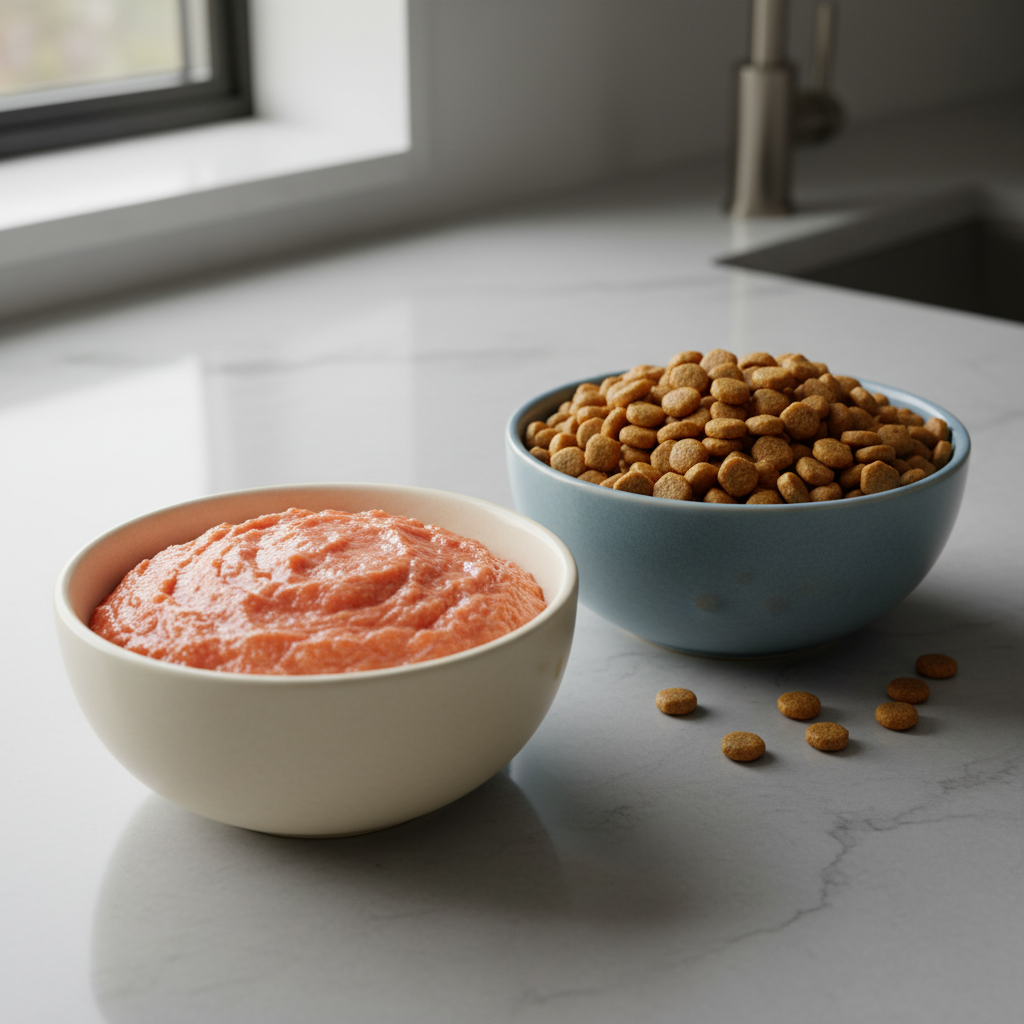
2. Humidity: The Factor That Makes All the Difference
This is the core and most important difference between the two foods. Water content determines how your pet's body processes and maintains fluid balance.
- Pate (Wet food): Contains extremely high water content, usually 75% to 85% . This closely resembles the composition of prey in the wild.
- Dry seeds: Have very low moisture content, only about 6% to 10% . This is done to preserve the product for a long time and make it convenient to use.
3. Hydration: The 'Hidden' War for Health
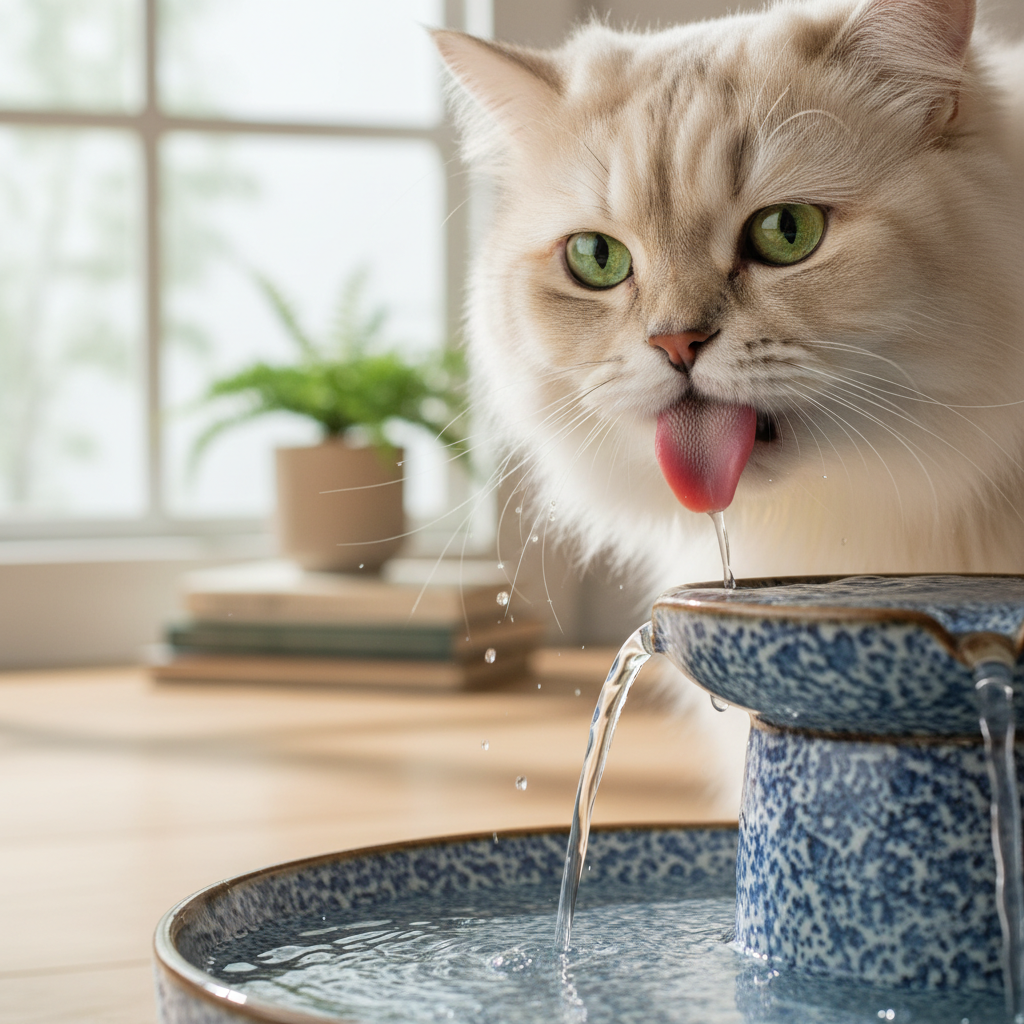
Hydration is the process of maintaining adequate water levels in the body, which is crucial for all biological functions. Cats, in particular, are native to deserts, and have a poor 'drinking instinct' and have evolved to obtain most of their water from their prey.
- Advantages of Pate: Pate provides a significant amount of water through the meal itself. This helps pets, especially cats, maintain optimal hydration naturally without having to actively drink too much water.
- The Challenge of Dry Food: When eating dry food, pets must drink large amounts of water to compensate for the low moisture content of the food. Many pets do not drink enough water, leading to chronic mild dehydration , which puts pressure on internal organs over time.
4. Kidney Health: Long-Term Consequences
The kidneys are the body's filtering machines, and the flow of water through them is key to their efficient functioning. Kidney health and hydration are closely linked.
- Pate and kidney health: The high water content in pate helps dilute urine. Diluted urine reduces the concentration of minerals that can crystallize, thereby significantly reducing the risk of kidney and bladder stones . It also helps the urinary system to be 'washed' regularly, helping to prevent urinary tract diseases .
- Dry kibble and risks: A diet based solely on dry kibble can lead to more concentrated urine. This increases the risk of crystal and stone formation, which puts long-term stress on the kidneys and is a contributing risk factor for chronic kidney disease (CKD) , a very common disease in older cats.
5. Other Factors to Consider
While pate has the advantage of hydration, dried seeds still have their own advantages:
- Dental health: The crunchy texture of dried seeds may help mechanically clean plaque from teeth, although this effectiveness remains controversial.
- Convenience and Cost: Dried seeds are easy to store, can be left in a bowl all day, and are often more economical than pate.
- Calorie Content: Dried seeds are more calorie dense, while pate has more volume due to water content, suitable for weight control.
- Palatability: Pate often has a more appealing aroma, making it a good choice for picky or sick pets.
6. Conclusion: Which Option Is Best?
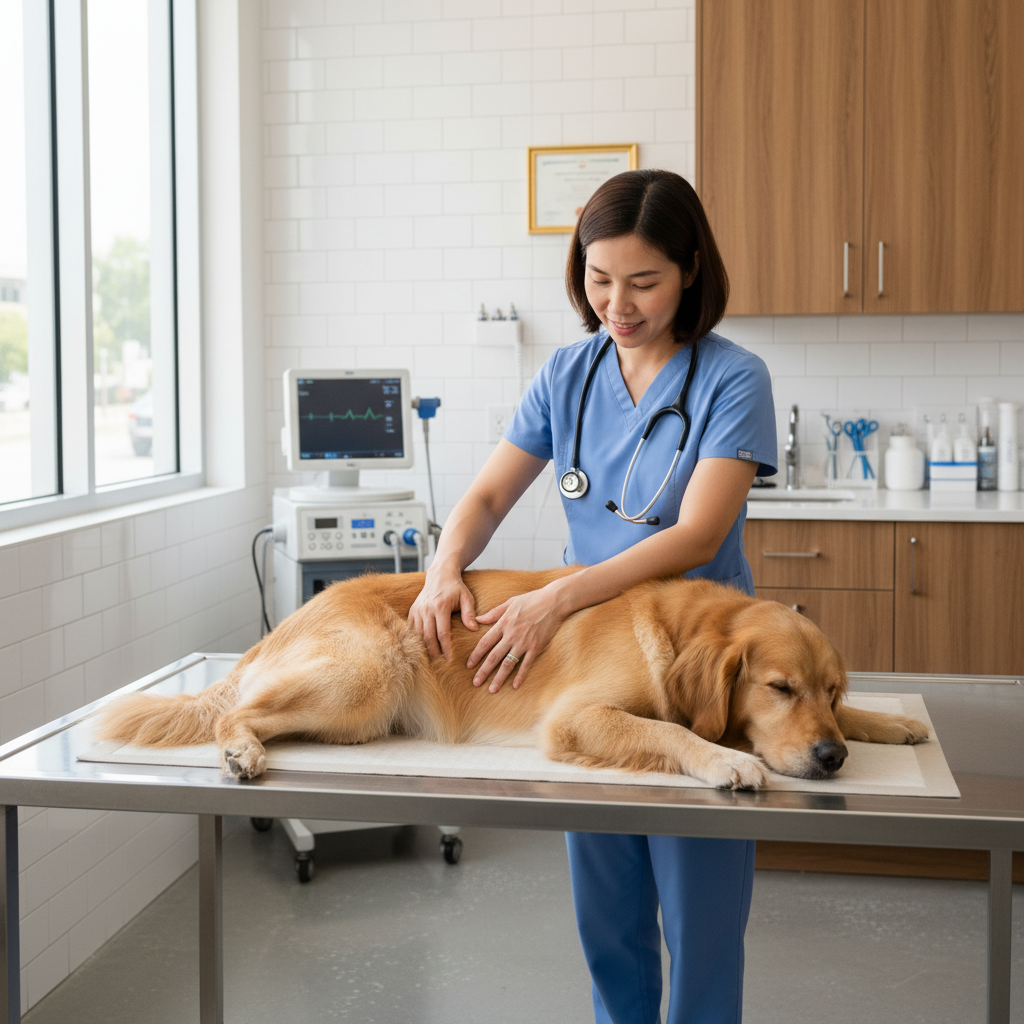
There is no single answer for every pet. In theory, a high-moisture diet like pate is a superior choice to support hydration and long-term kidney health . However, the final choice depends on the pet’s health status, age, lifestyle, and preferences, as well as the owner’s budget.
A solution recommended by many experts is to combine both : feeding dry food as a convenient main meal and supplementing meals with pate to increase water intake. Most importantly, always consult your veterinarian to build the most suitable and comprehensive nutritional regimen for your four-legged friend.


0 comments