


For cats, 'home' is more than just a shelter, it's an entire kingdom. Every familiar nook, cranny, scent, and order contributes to their sense of security. So when their environment suddenly changes—whether it's moving to a new home, having a new family member, or simply rearranging the furniture—their world can be turned upside down, leading to serious stress.
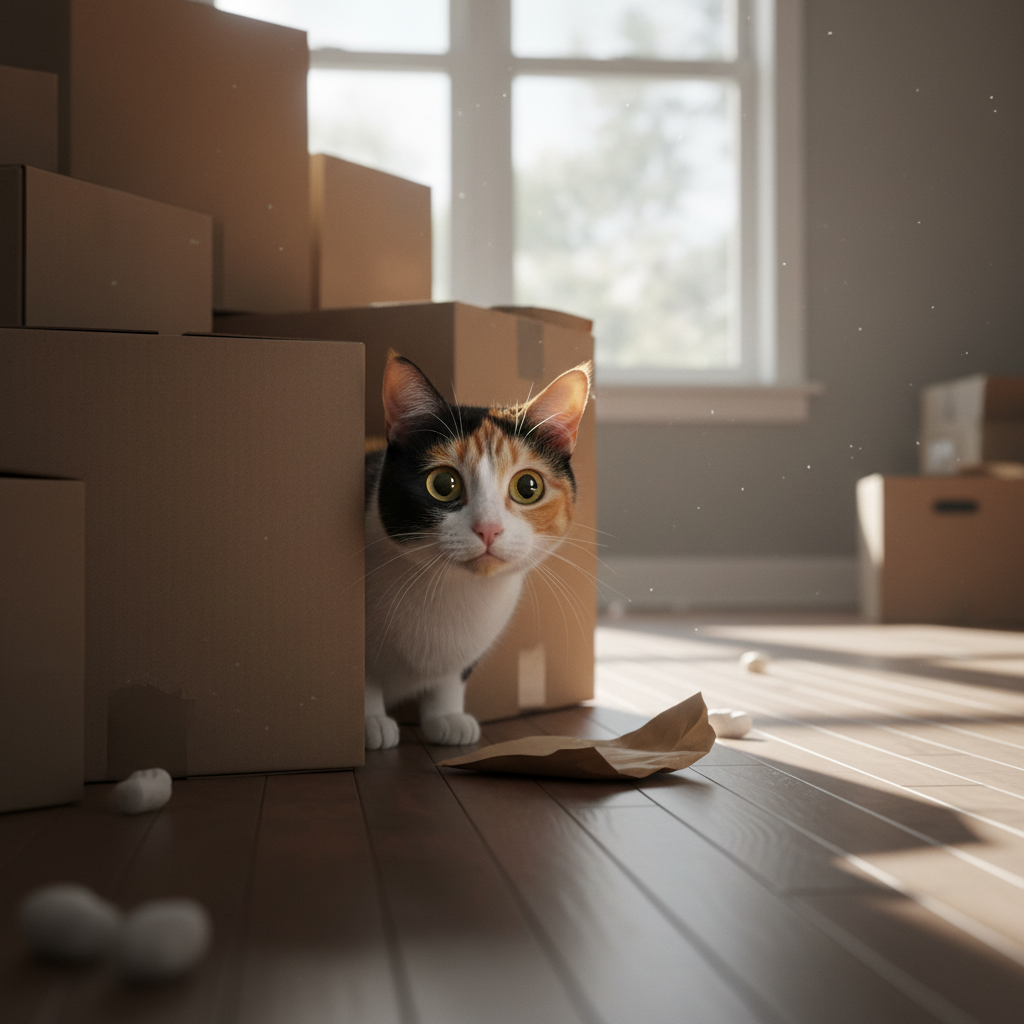
Stress in cats is not always obvious. They are masters at hiding their emotions. However, if you pay attention, you can spot subtle changes in their behavior. Recognizing these signs early is key to helping your 'royal' get through this difficult time and find peace again. Here are the 8 most common warning signs:
1. Change in toilet habits: This is one of the top signs. A cat that is usually clean suddenly starts to defecate outside the litter box, on the bed, or on the carpet. This is not an act of 'revenge', but a cry for help, a way for them to mark their territory to feel safer in an unfamiliar environment.
2. Over-grooming or self-neglect: You may see your cat licking an area of fur so much that it falls out, or conversely, its fur becomes matted and matted from lack of grooming. Both of these extremes are signs of anxiety.
3. Eating disorders: A stressed cat may suddenly lose appetite, skip meals, or eat more than usual in an uncontrollable manner. Any sudden change in eating habits is cause for concern.
4. Hiding and hiding: Your once friendly cat suddenly spends most of its time hiding under the bed, in the closet or any other hidden place. It is trying to find a safe haven from what it perceives as a threat.
5. Unusual aggression or fear: Cats may become irritable, growl, hiss, or even bite when you try to approach them. Conversely, some cats become overly shy, startled at every little noise.
6. More meowing than usual: Persistent, plaintive meows at night or throughout the day can be your cat's way of expressing confusion, insecurity, and calling for your attention.
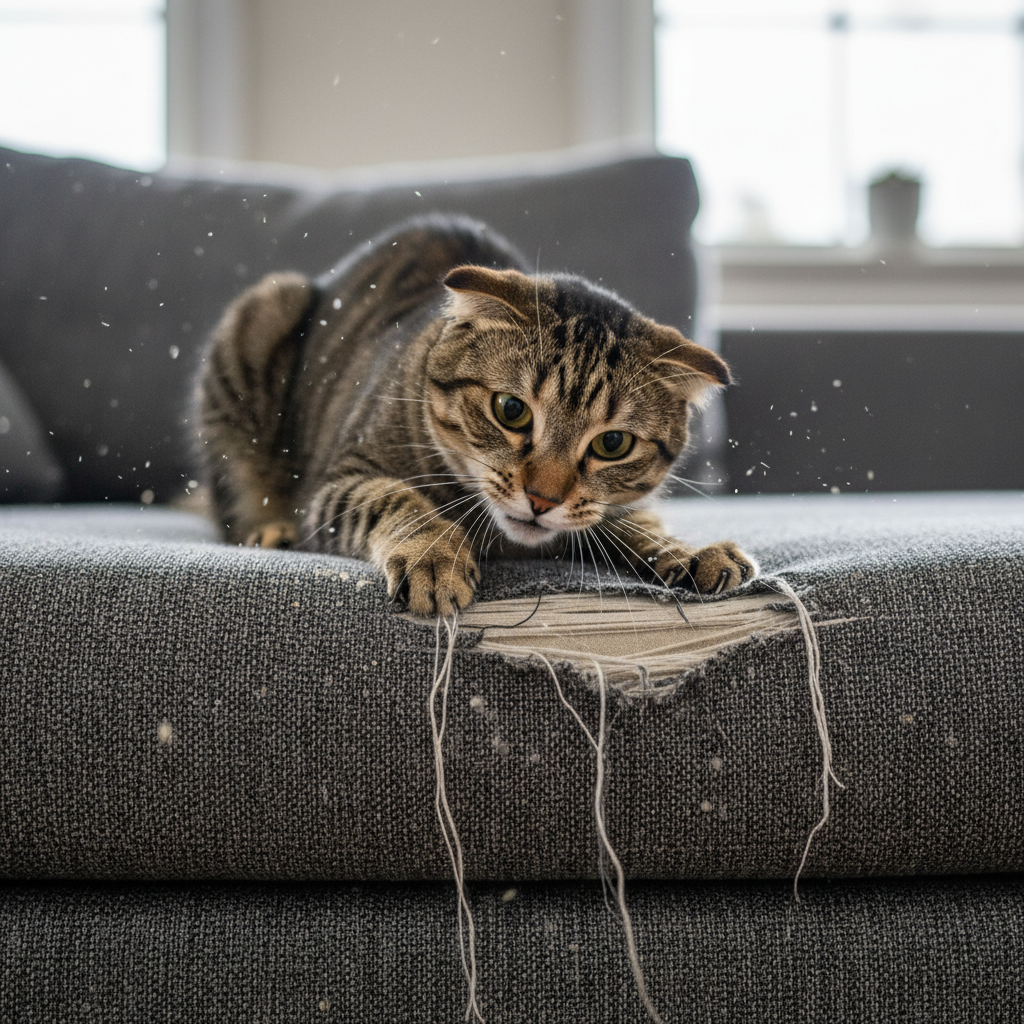
7. Furniture Destruction: Scratching is a natural behavior, but scratching furiously and extensively on furniture is a way for them to relieve stress and leave their scent to reassure themselves.
8. Other physical signs: Chronic stress can affect the immune system, causing cats to become lethargic, sleep more, or even experience digestive problems such as vomiting and diarrhea. If you notice these signs, you should consult your veterinarian.
So how do you help your cat through this difficult time? Your patience and understanding are the best medicine. Start by creating a safe ‘home base’. Prepare a small room with food, water, a litter box, and familiar toys. Let them stay there and explore the rest of the house when they feel ready.
Next, maintain your routine as much as possible. Try to keep the same feeding and playtimes as you did at your old home. Don’t rush to wash your cat’s old bedding or blankets, as the familiar scent will help calm him. Finally, spend time interacting gently. Sit quietly in the room with your cat, talk to him in a soothing voice, or use a cat lure to encourage him to play. Never force him.

Adjustment takes time. It can take days, weeks, or even months. The important thing is to be patient, loving, and show them that no matter where they are, you are still their safe and secure home.
Recognizing the early signs of stress caused by a change in living environment is the first and most important step in helping your four-legged friend. By providing a safe space, maintaining familiarity and giving them lots of love, you will help your cat quickly overcome their fears and once again see their new home as their own happy kingdom.


0 comments