


Cats can’t use words to tell us if they’re feeling anxious or stressed. Instead, they communicate through a ‘silent language’ – subtle changes in their behaviour and daily routine. As masters at hiding their distress, many signs of stress in cats are often overlooked or mistaken for ‘being naughty’ by their owners. Recognising these signals early is key to ensuring your four-legged friend’s mental and physical health.
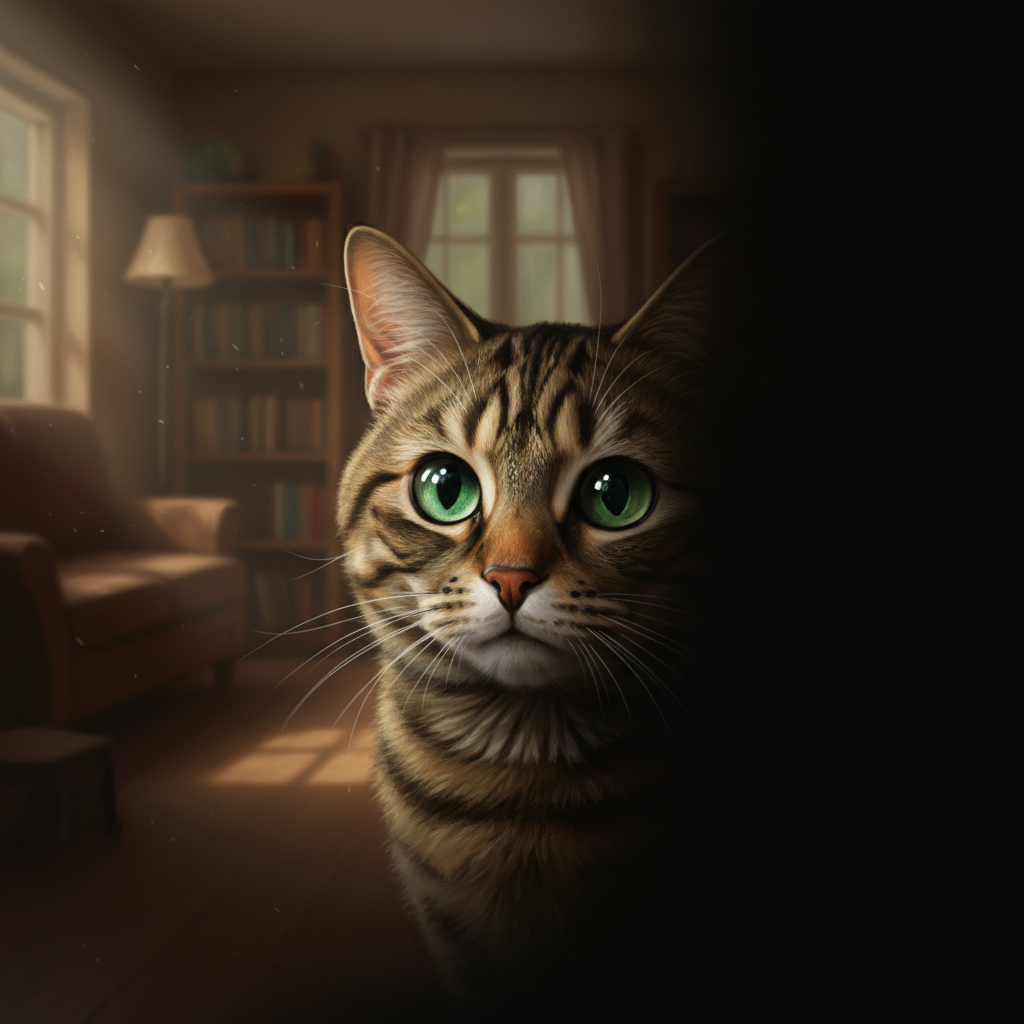
Here are five subtle signs of stress in cats that you need to watch out for:
1. Change in litter box habits: One of the most common signs of stress is when your cat suddenly starts eliminating outside of the litter box. Before you assume it’s destructive behavior, consider that it could be a cry for help. Stress from a change in environment, the arrival of a new pet, or even a dirty litter box could be the cause. Always consult your veterinarian to rule out medical issues like a urinary tract infection first.
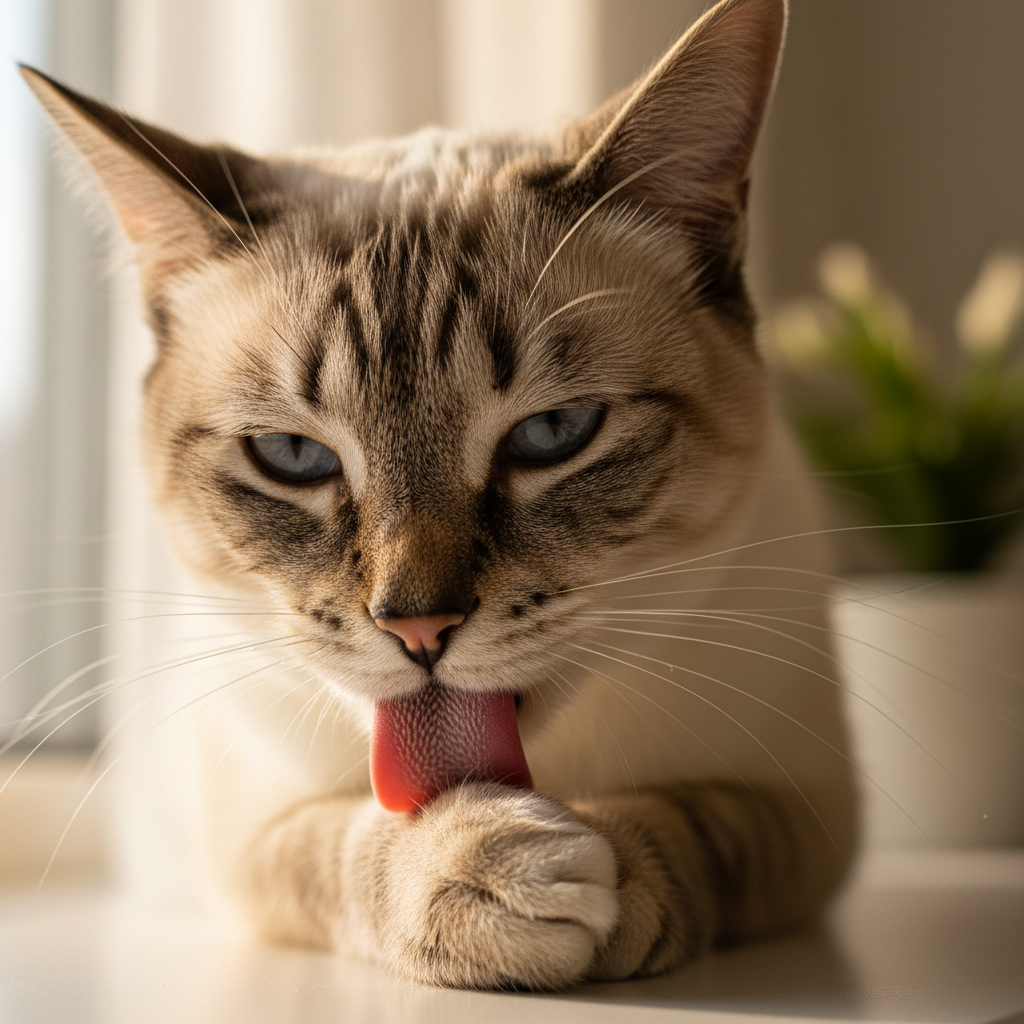
2. Over- or Under-Grooming: Grooming helps cats feel relaxed. However, when this action becomes excessive, leading to licking fur to the point of losing clumps or causing skin damage, it is a clear sign of anxiety. Conversely, a normally clean cat that suddenly becomes unkempt and has a matted coat may also be stressed or unwell.
3. Changes in social interaction: A change in the way your cat interacts with you and other people in the home is an important sign. A friendly cat who suddenly hides under the bed or closet may be feeling threatened. Similarly, a previously independent cat who becomes overly clingy and meows incessantly may be seeking reassurance due to stress.
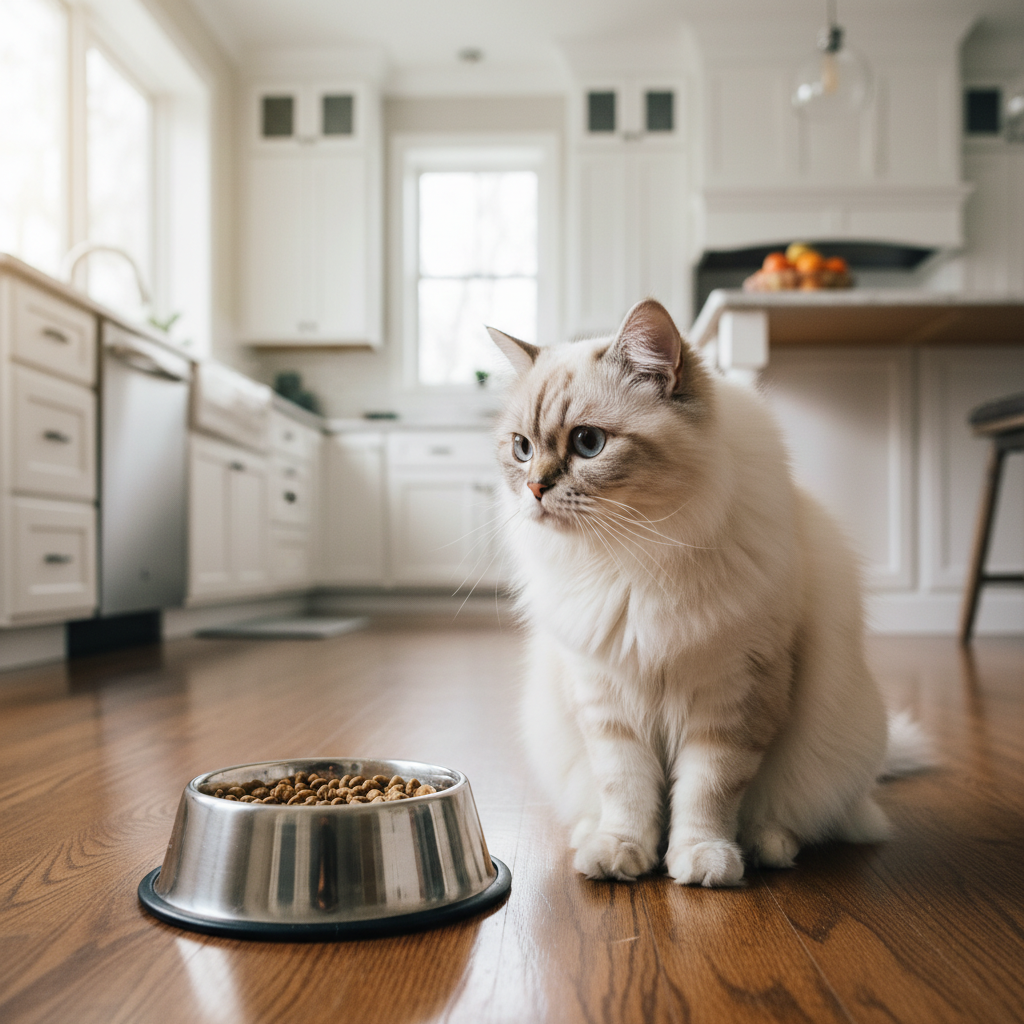
4. Decreased appetite or changes in eating habits: Just like humans, anxiety can affect your cat's appetite. If you notice your cat refusing to eat, eating less than usual, or suddenly becoming picky about food, it could be a sign of stress. While less common, some cats may respond by eating more to comfort themselves.
5. Increased alertness and startleness: A stressed cat is often in a state of 'hyper-alert'. You may see them with wide eyes, dilated pupils, ears flattened back or constantly rotating, and a twitching or swishing tail. They can be easily startled by the slightest noise that they previously ignored.
Understanding and recognising these signs is the first step to helping your companion. If you suspect your cat is stressed, try to identify the cause and create a safe, stable and loving living environment. Don’t hesitate to seek advice from your veterinarian. By learning to ‘listen’ to this silent language, you will not only solve the behavioural problem but also strengthen your bond with your four-legged friend.


0 comments