


Welcoming a new four-legged member into the family is always an exciting event. However, if you already have other furry friends, the introduction process can turn into a tense 'territorial war'. The key to a successful 'summit reconciliation' lies in carefully preparing the living space. Strategically arranging the home will not only help the new cat feel safe, but also help the existing pets gradually accept the new member peacefully.
Step 1: Set Up an Impenetrable 'Safe Zone'. Before your new cat comes home, prepare a separate room for them. This room will be their safe territory, where they can get used to their surroundings without stress. Make sure the room has everything they need: a litter box, food, water, a cozy bed, and a few toys. This is their private sanctuary, so make sure other pets can't get in.

Step 2: Scent Exchange - The Invisible Peacemaker. Dogs and cats communicate a lot through scent. A few days before the official meeting, start the scent exchange process. Use a soft towel to gently wipe the new cat's cheeks and body, then place the towel in the old pet's favorite area (and vice versa). Repeat this process daily. This helps them get used to each other's presence indirectly, reducing awkwardness and hostility when they meet.
Step 3: Divide the Territory with Barriers. After a few days of scent-sharing, you can allow them to see each other but not have direct contact. Use a baby gate or leave the door of the new cat’s room ajar. This allows them to observe each other from a safe distance. Keep the ‘seeing’ sessions short throughout the day and always end with a positive experience like a treat or praise.
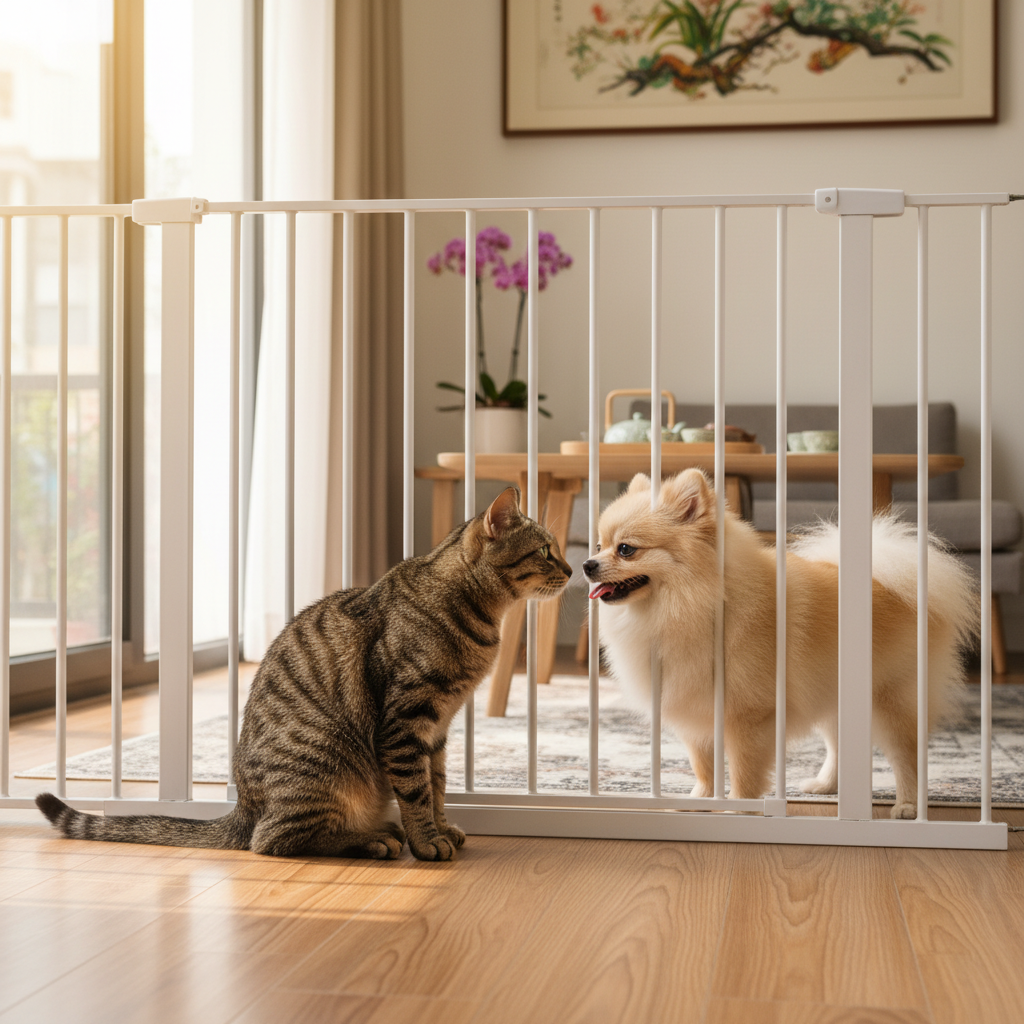
Step 4: Supervise Initial Meetings. Once you’ve both calmed down when you see each other through the barrier, it’s time for a supervised face-to-face meeting. Choose a neutral space in your home that’s not either animal’s ‘territory’. Keep the meeting short (just a few minutes) and have yourself present at all times. Use a leash if necessary to control the situation. Pay attention to their body language – any signs of growling, hissing, or stress are signals to end the meeting and try again later.
Step 5: Build a Positive Relationship. The ultimate goal is to help them associate each other’s presence with good things. During supervised meetings, feed them both their favorite treats, play games they both enjoy, or shower them with praise and petting. This way, they’ll learn that ‘when you’re around, great things happen’.

The process of reconciliation takes time and patience. Each animal has its own personality, and there is no set timeline for when they will become friends. By preparing your home carefully and making gradual introductions, you are creating the strongest foundation for a happy and harmonious multi-animal household.


