


Pets cannot tell us when they are not feeling well. Therefore, it is extremely important to observe and recognize early unusual changes in the behavior and physical condition of your 'boss'. This article will be a guide to help you identify **common signs of illness in dogs and cats** and guide you through the proper initial treatment steps at home.
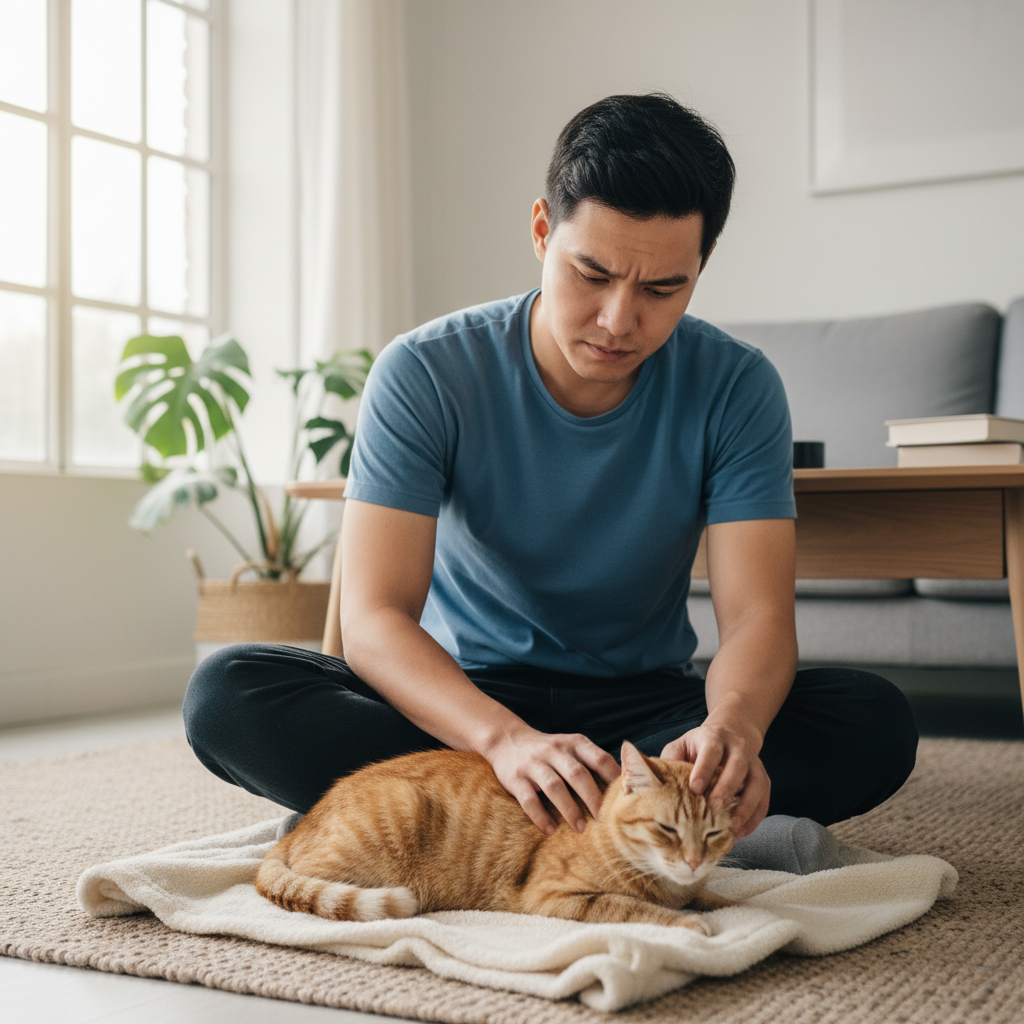
**I. Warning Signs That Your Pet Is Having Health Problems**
When your 'boss' is unwell, it often shows through subtle changes. Look out for the following signs:
**1. Change your eating habits:**
This is one of the most obvious signs. A healthy dog or cat is usually very excited about mealtime. Be alert if your pet:
- **Stop eating** completely or eat much less than usual.
- Sudden picky eating, refusing favorite foods.
- Drinking more or less water unusually.
**2. Decreased energy levels:**
- **Lethargic, tired:** Pets are no longer interested in walking or playing.
- **More Sleep:** They spend most of the day sleeping, even when called.
- **Sluggish, inflexible:** Moves slowly, seems painful when moving.
**3. Digestive problems:**
- **Vomiting:** Vomiting food, yellow fluid, or white foam. Note the frequency and characteristics of the vomit.
- **Diarrhea or constipation:** Loose stools, blood, mucus, or difficulty defecating.

**4. Change in toilet habits:**
- Going to the bathroom **more often** or less often than usual.
- Having **difficulty going to the toilet**, straining but nothing comes out.
- There is **blood in the urine** or stool.
- Going to the toilet in the wrong place.
**5. Respiratory signs:**
- **Coughing, wheezing, sneezing** continuously.
- **Difficulty breathing, rapid breathing,** mouth breathing (especially in cats).
- Runny nose, unusual tears.
**6. Changes in appearance and fur:**
- **Frayed hair,** breaks easily and falls out more than normal.
- **Skin rash,** scaly, sores, or unusual lumps.
- Scratching, licking, or biting one area of the body repeatedly.
**7. Changes in behavior:**
- Unusually irritable and aggressive when touched.
- **Hide,** find a secret hiding place.
- Screaming and groaning in pain.
**II. What to Do When You Discover Your 'Boss' Showing Unusual Signs?**
When you notice your pet has one or more of the above signs, you need to act quickly and properly.
**1. Stay calm and observe carefully:** Don't panic. Keep a detailed record of your symptoms, when they started, how often they occur, and any changes you observe. This information will be very helpful to your veterinarian.
**2. Create a comfortable resting environment:** Take your pet to a quiet, warm, clean and less crowded place for them to rest completely. Make sure clean water is always available.
**3. Do not give your pet medication without permission:** **ABSOLUTELY DO NOT** use human medications (such as Paracetamol, Ibuprofen) for dogs and cats because they can cause poisoning and be life-threatening.
**4. Contact your veterinarian immediately:** This is the most important step. Call your nearest veterinary clinic, describe the symptoms you have noted in detail, and follow their instructions. Early diagnosis and treatment will increase your pet's chances of recovery.

**Conclude:**
Being a responsible pet owner means being the most observant of your pet's health. Early identification of **signs of illness** and prompt action can not only help your pet to reduce pain but can also save their life. Don't hesitate to seek professional help from a **vet** if you feel something is wrong.


