


Decoding the "problem" of deodorizing cat litter
One of the biggest concerns of cat owners is the odor from the litter box. This is not only a matter of comfort but also affects the general hygiene of the whole house. Understanding that, manufacturers have constantly researched and applied many advanced deodorizing technologies to their products. This article will analyze in depth the most popular technologies, from activated carbon , baking soda to natural minerals, helping you find the real "true love" for your king and your living space.
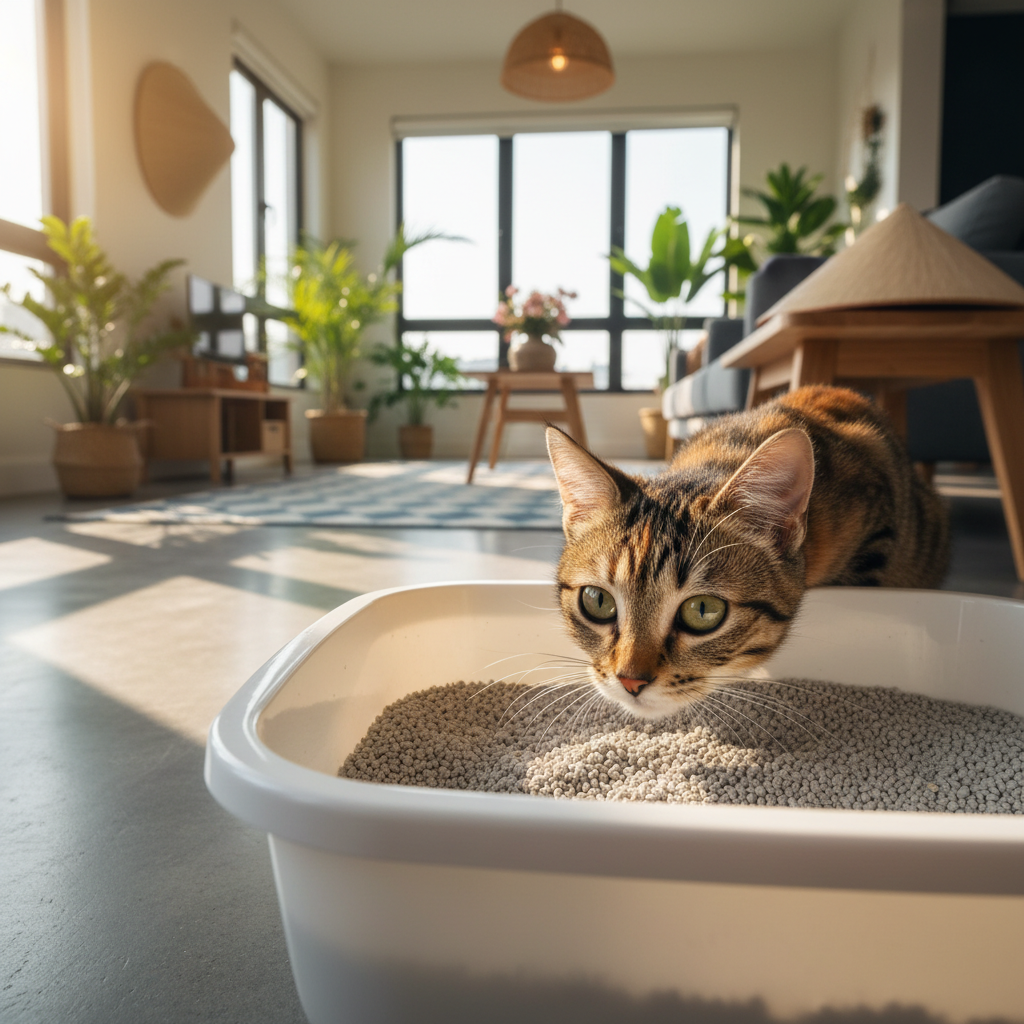
1. Activated Carbon - Classic "Magnet" for Exhaust Air
Activated carbon is considered the gold standard in the deodorizing industry. Its mechanism of action is based on the phenomenon of adsorption, which means that the surface of activated carbon has millions of tiny pores, creating a huge surface area. When odor-causing molecules in the air come into contact, they are "trapped" and held tightly in these pores.
-
Advantage:
Outstanding deodorizing ability: Absorbs and locks in many types of odors, especially the strong ammonia smell in cat urine.
Long-lasting effect: Long-lasting deodorizing effect, helping to prolong the life of the litter between changes.
Safety: Natural material, safe for both humans and pets. -
Disadvantages:
Higher cost: Litters with activated carbon are often more expensive than regular litters.
May cause black dust: Some products may leave small black dust streaks on floors or light-colored cat fur.
2. Baking Soda (Sodium Bicarbonate) - A Familiar Solution From The Kitchen
Baking soda is a familiar deodorizer that works on chemical principles. It is a mild alkaline substance that helps neutralize acidic odor molecules, typically uric acid in cat urine, thereby effectively reducing odor.
-
Advantage:
Affordable: This is one of the most economical cat litter deodorizing solutions.
Easy to find: Extra baking soda can be easily purchased to sprinkle in the litter box.
Safe and natural: Benign ingredients, harmless when cats swallow small amounts. -
Disadvantages:
Less effective than activated carbon: Less able to handle strong and complex odors.
May clump: When exposed to moisture, baking soda tends to clump, reducing its ability to work.
Short term effects: Regular supplementation is required to maintain effectiveness.
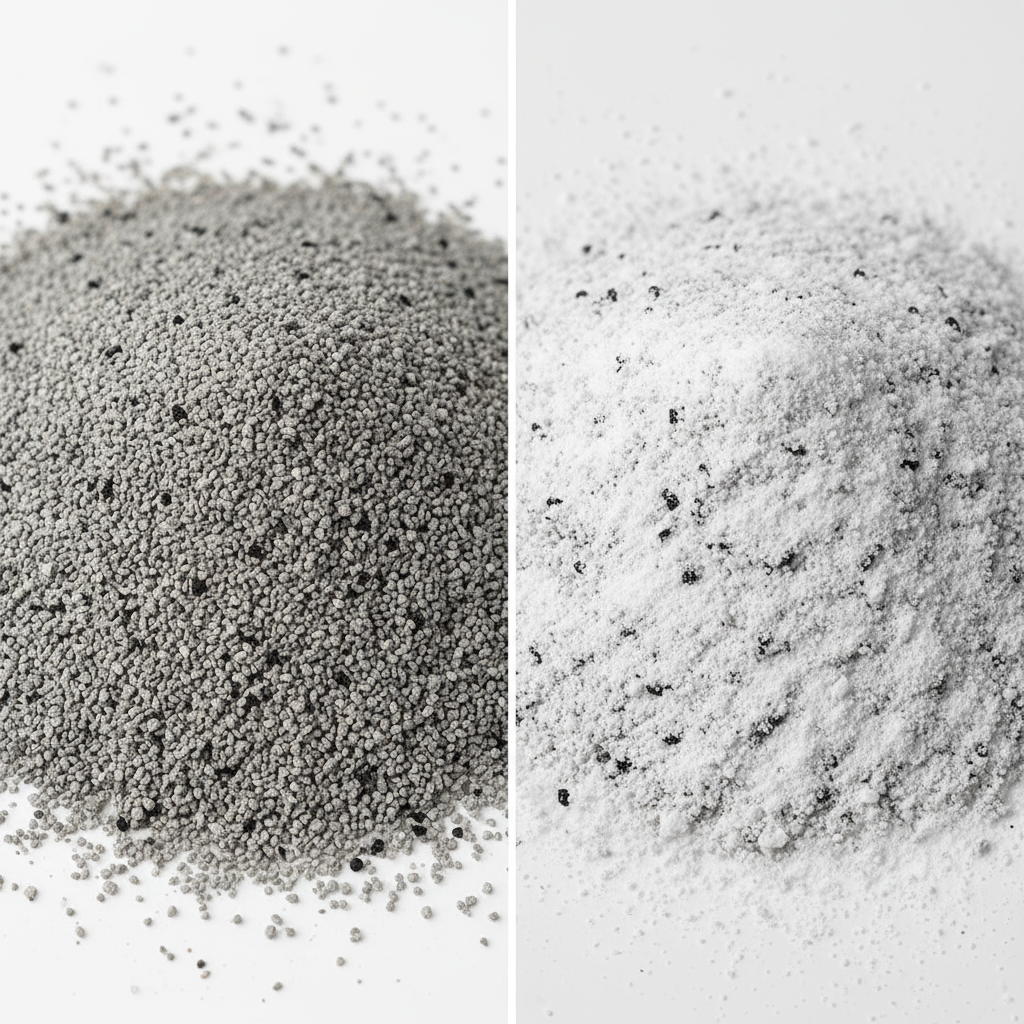
3. Silica Gel (Glass Sand) - The Absorbency Champion
Silica litter , also known as glass litter , is made from hydrated sodium silicate granules. These granules have a microscopic porous structure, allowing them to absorb a huge amount of liquid (and odors), up to 40 times their weight. Urine is drawn into the granules, while the water vapor evaporates, leaving the odor molecules locked inside.
-
Advantage:
Excellent Absorbency: Keeps the litter box dry.
Super long lasting: One silica litter tray can last a cat several weeks.
Less Dust: Compared to traditional clay sand, silica sand produces significantly less dust. -
Disadvantages:
Very expensive: Usually the most expensive sand on the market.
Unusual texture: Some cats don't like the feel of hard crystals under their paws.
No clumping: You have to stir the sand and scoop out the fertilizer daily, making it difficult to know when to change it all.
4. Zeolite - "Honeycomb" to Naturally Block Ammonia Odor
Zeolite is a natural volcanic clay mineral with a microscopic “honeycomb” structure. This structure allows it to effectively lock up ammonia molecules through ion exchange. It is a powerful and natural odor-eliminating technology.
-
Advantage:
Excellent ammonia deodorizer: One of the best for dealing with the characteristic ammonia smell.
Natural ingredients: Safe and environmentally friendly.
Light weight: Makes sandbags easier to transport. -
Disadvantages:
Can be dusty: Depending on the quality of mining and processing, zeolite can be quite dusty.
Inconsistent effectiveness: The quality of zeolite can vary between brands.
5. Other Natural Additives: Pleasant Fragrance
Many manufacturers also add natural ingredients to their litters, such as green tea extract, coffee grounds, lavender, etc., to enhance odor control. They work primarily by masking odors with a pleasant scent, and some have mild antibacterial properties.
-
Advantage:
Creates a pleasant scent: Brings a clean, fragrant feeling to the space.
Natural origin: Often advertised as safe and benign. -
Disadvantages:
Only mask the smell: Most only mask the smell without actually eliminating the root of the problem.
Cats may not like it: Cats have a very sensitive sense of smell, some artificial or too strong scents can make them uncomfortable and avoid the litter box.
Quick Comparison Chart & Which Is The "True Love" For Your Cat?
Activated Carbon: Top choice for powerful and long-lasting odor removal .
Baking Soda: An economical , effective solution for odors that are not too strong.
Silica Gel: For those who prioritize absorbency and long-term use, and do not mind the high cost.
Zeolite & Natural Additives: Aimed at users who love natural solutions and want good control of ammonia odor.
Conclude
There is no one-size-fits-all answer. The best deodorizing technology depends on a number of factors: your sensitivity to odors, the number of cats you have, your budget, and most importantly, your cat's acceptance. Activated carbon is generally considered the most balanced and effective option, but don't be afraid to experiment with different litters to find the product that works best for your household. A clean, odor-free litter box is the key to a healthy cat and a clean home.


