


The Importance of Dog Vaccinations
Having a dog is not only a joy but also comes with a great responsibility for their health. One of the most important measures to protect your pet from deadly pathogens is to vaccinate them fully and on schedule . This helps create an immune "shield", preventing dangerous infectious diseases in dogs , ensuring they have a healthy and happy life with you.

The Most Dangerous Infectious Diseases in Dogs
Below is a list of common and highly fatal infectious diseases in dogs that you need to pay special attention to:
-
Disease Care (Canine Distemper):
This is one of the most dangerous viral diseases, attacking the respiratory, digestive and nervous systems of dogs. Initial symptoms may be fever, watery eyes, runny nose, then progress to convulsions, paralysis. Care disease has a very high mortality rate, especially in puppies.
-
Parvo (Parvovirus):
Parvo is a nightmare for dog owners, causing enteritis and stomach bleeding. Sick dogs will have symptoms of vomiting, bloody diarrhea with a strong fishy smell, rapid dehydration and exhaustion. The disease spreads very quickly and the mortality rate is extremely high if not treated promptly.
-
Infectious Canine Hepatitis:
Caused by adenovirus type 1, the disease attacks the liver, kidneys, eyes and lungs of dogs. Symptoms include high fever, abdominal pain, vomiting and can cause corneal opacities (blue eyes). The disease can cause sudden death in puppies.
-
Kennel Cough:
This is a highly contagious upper respiratory infection, especially in places with many dogs such as parks and pet hotels. Typical symptoms are a persistent dry cough, producing white foam. Although rarely fatal, kennel cough makes dogs very tired and can lead to pneumonia.
-
Rabies:
Rabies is the most dangerous zoonotic disease, caused by a virus that affects the central nervous system and is 100% fatal once the disease has developed. Rabies vaccination is mandatory and extremely important to protect both pets and the community.
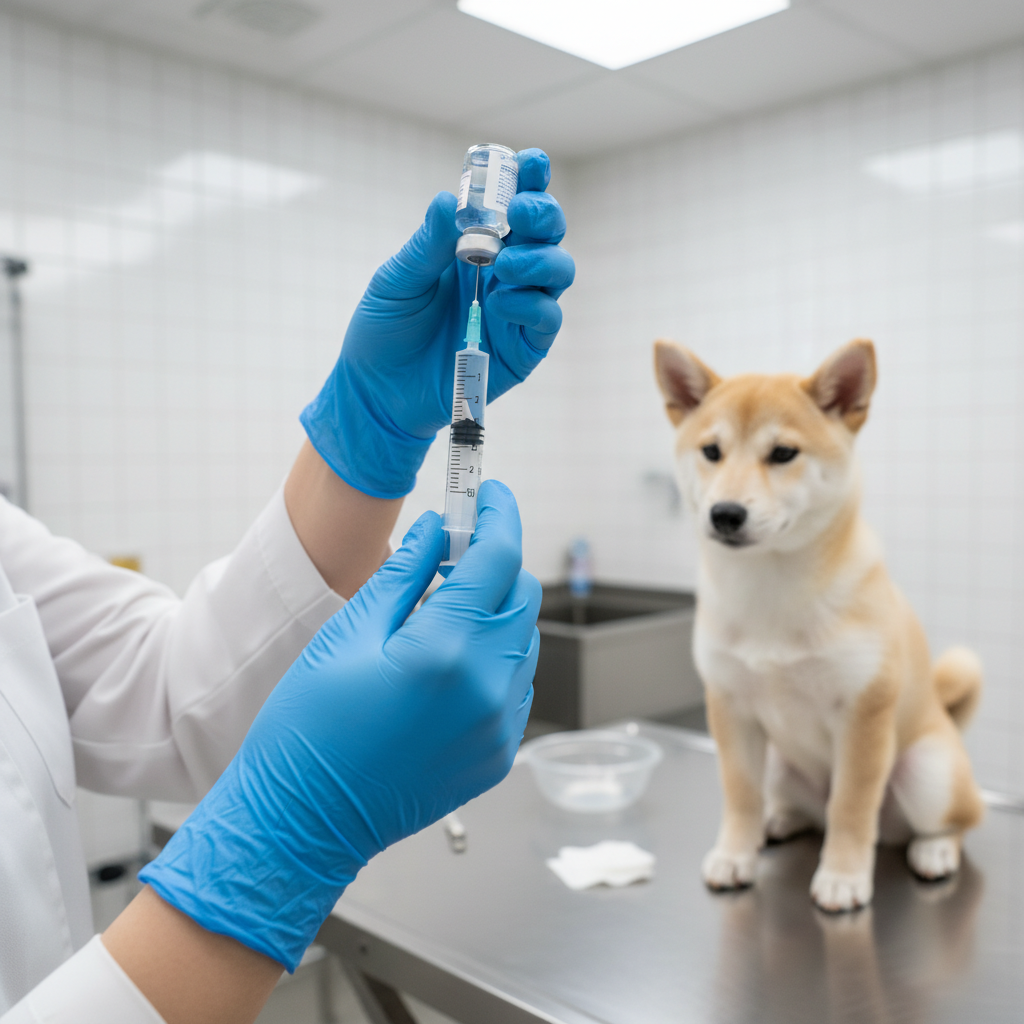
Detailed and Easy-to-Remember Dog Vaccination Schedule
To ensure the best protection, you should strictly follow the vaccination schedule recommended by your veterinarian. Here are the most common reference schedules:
-
Stage 6-8 weeks old:
Shot 1 - 5-in-1 or 7-in-1 vaccine . This vaccine usually protects against Distemper, Parvo, Hepatitis, Kennel Cough and Parainfluenza.
-
Stage 9-11 weeks old:
Dose 2 - Booster 5-in-1 or 7-in-1 vaccine to strengthen the immune system.
-
Stage 12-14 weeks old:
Dose 3 - Repeat 5-in-1 or 7-in-1 vaccine to complete the primary course.
-
After 3 months of age:
Rabies Vaccination . This is a mandatory injection.
-
Annual:
Annual booster shots of both the combined vaccine (5 in 1 or 7 in 1) and the Rabies vaccine are required to maintain lifelong immunity in dogs.

Important Notes Before and After Vaccination
-
Before injection:
Dogs must be in good health, without fever or signs of illness. Dogs must be dewormed at least 1 week before vaccination for the vaccine to be most effective.
-
After injection:
Monitor your dog for 24-48 hours for side effects such as pain and swelling at the injection site, mild fever, and lethargy. These are normal reactions, but if symptoms persist or worsen, contact your veterinarian immediately.
-
Take care of:
Do not bathe your dog for 1 week after vaccination. Limit your dog's exposure to other dogs or unsanitary places for the first 2 weeks after the last vaccination to ensure the body has enough time to develop complete immunity.
In short, vaccination is an essential investment in your dog's health. Be proactive in contacting reputable veterinary clinics to get advice on the most suitable vaccination schedule for your dog , helping your four-legged friend stay healthy and safe.


