


About Feline Urinary Tract Disease (FLUTD)
Feline Lower Urinary Tract Disease (FLUTD) is a general term that describes a range of problems that occur in the bladder and urethra of cats. It is one of the most common medical conditions, and can be painful, uncomfortable, and even life-threatening if not detected and treated promptly, especially in male cats. Early recognition of symptoms is key to protecting the health of your four-legged friend.
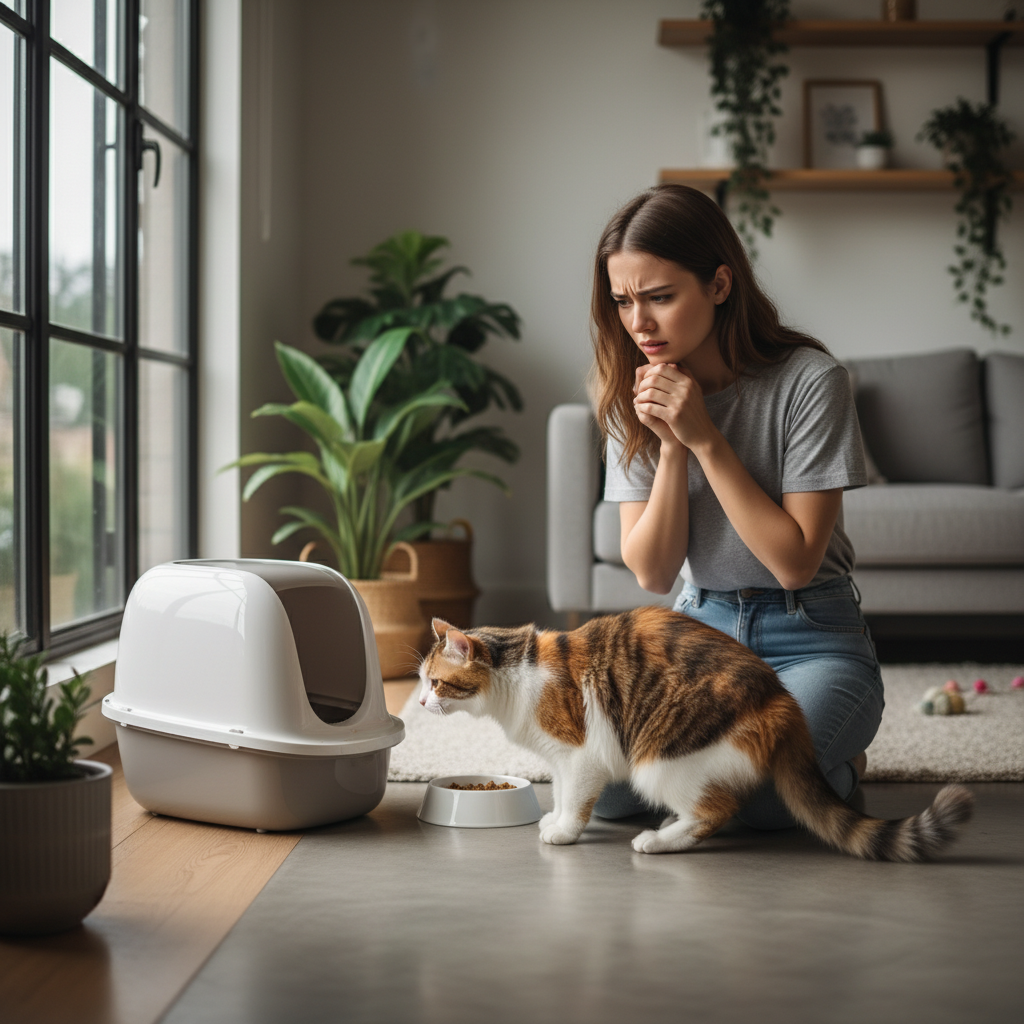
Early signs of urinary tract disease in cats
Pay close attention to your cat. If you see any of the following signs, take them to the vet immediately. These are signs of urinary tract disease in cats that should not be ignored:
- Difficulty urinating and straining: The cat sits in the litter box for a long time, trying to strain but only passing a few drops of urine or nothing at all.
- Frequent urination: Cats go in and out of the litter box frequently, but the amount of urine each time is very small.
- Blood in the urine (Hematuria): Spotting pink or red spots in the urine or in the litter box.
- Urinating in unusual places: Cats start urinating in strange places like on the carpet, bed or floor. This is their way of letting you know they are in pain while going to the bathroom.
- Excessive genital licking: Due to pain and discomfort, cats will constantly lick this area.
- Crying while urinating: Cats make painful noises while trying to urinate.
- Behavioral changes: Cats become irritable, lethargic, stop eating, or avoid their owners.
IMPORTANT NOTE: If your cat, especially a male cat, is unable to urinate within 24 hours, this is a medical emergency . Complete urethral obstruction can be fatal.
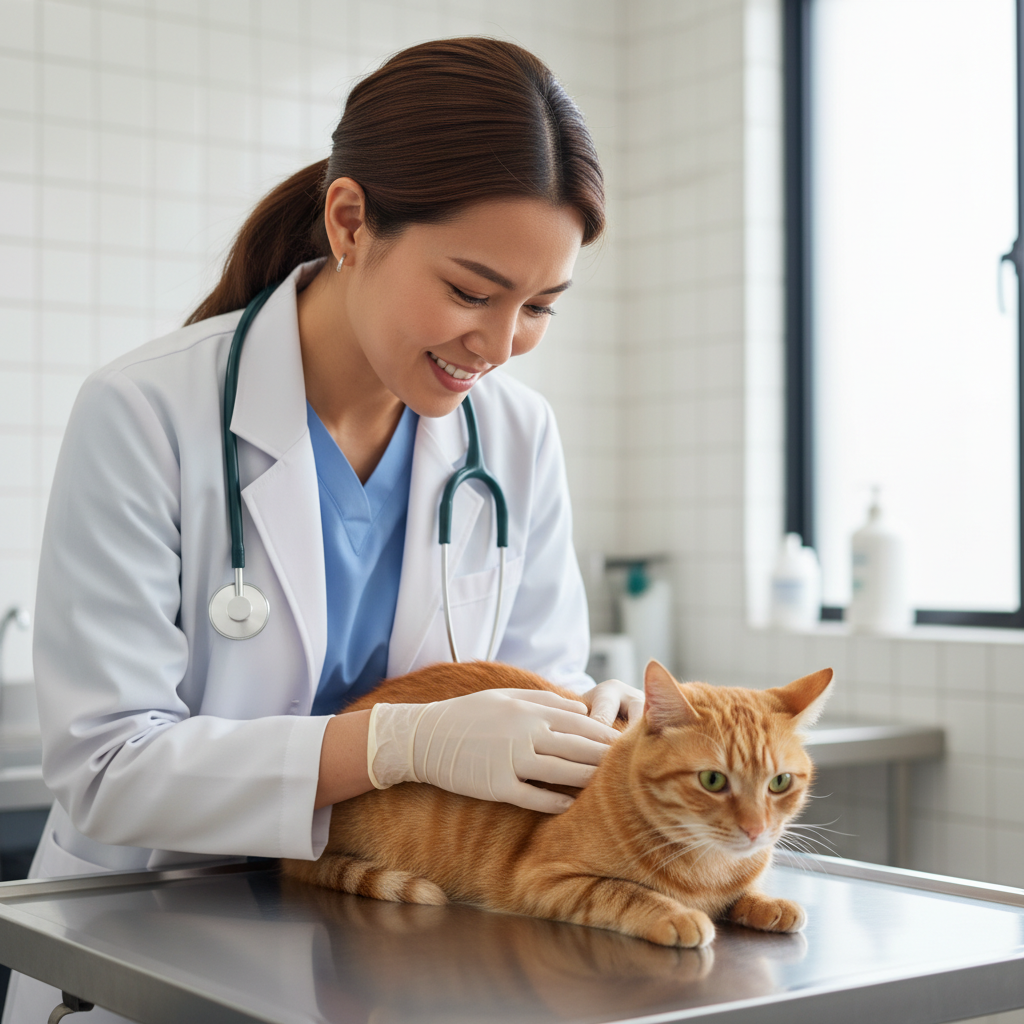
Common Causes of Urinary Tract Disease in Cats
There are many factors that can lead to urinary tract disease in cats . Understanding the causes makes prevention and treatment more effective.
- Feline Idiopathic Cystitis (FIC): This is the most common cause. Inflammation occurs without an obvious cause such as infection or stones. Stress is thought to be a major factor in causing FIC.
- Urinary stones (bladder stones, kidney stones): Mineral crystals can clump together to form stones in the bladder, causing irritation, inflammation, and possibly blockage. The two most common types are struvite stones and calcium oxalate stones.
- Urethral obstruction: Common in male cats due to the narrower urethra. The obstruction can be caused by stones, urethral plugs (a mixture of mucus, crystals, and cells).
- Urinary tract infection: Although less common in young cats, bacterial infections can be a cause, especially in older cats or cats with other medical conditions such as diabetes.
- Diet and water intake: Cats that drink little water will have concentrated urine, increasing the risk of crystal formation. A mineral imbalance in the diet is also a risk factor.
Effective diagnostic and treatment methods
When you bring your cat to the clinic, your veterinarian will take the following steps to make an accurate diagnosis:
- Clinical examination: General examination, abdominal palpation to assess bladder condition.
- Urinalysis: This is the most important test to check for crystals, blood, bacteria and signs of infection.
- Imaging: X-rays or ultrasounds to detect bladder stones, tumors, or other abnormalities.
- Blood tests: Evaluate your cat's kidney function and overall health.
Based on the diagnosis, treatments for urinary tract disease in cats may include:
- For blockage: This is an emergency. Your vet will put you under anesthesia and insert a catheter to clear the blockage, then administer fluids to stabilize your cat.
- Medical treatment: Use pain relievers, anti-inflammatory drugs, urethral muscle relaxants. Antibiotics will be prescribed if there is an infection.
- Dietary changes: Use specialized foods for cats with urinary tract disease . These foods help dissolve some types of stones, prevent new stones from forming, and control the pH of the urine.
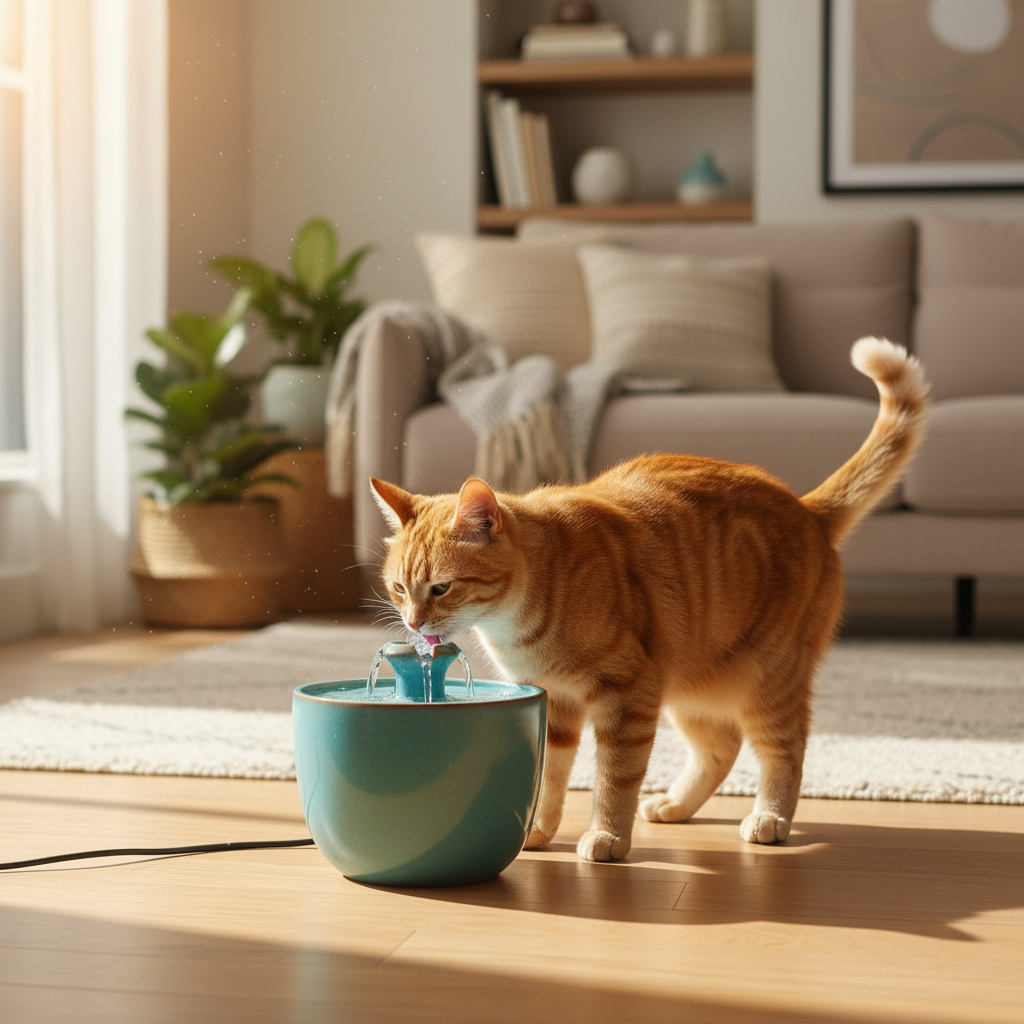
- Increase water intake: Encourage your cat to drink more water by feeding wet food (pate), using a large water bowl or cat fountain.
- Reduce stress: Improve the living environment, provide toys, safe hiding places, and use stress-reducing products like Feliway.
How to prevent urinary tract diseases in cats
Prevention is better than cure. Here are some proactive measures to help you prevent urinary tract disease in cats :
- Make sure your cat is well hydrated: Always provide clean, fresh water. Consider using wet food as a main meal.
- High-Quality Diet: Choose a food that is appropriate for your cat's age and health status. Consult your veterinarian about the best food.
- Maintain a clean litter box: Clean the litter box daily. Provide an adequate number of boxes (number of cats + 1) and place them in a quiet, accessible location.
- Weight Control: Overweight cats are at higher risk of disease. Ensure your cat is at an ideal weight through diet and exercise.
- Create a stress-free living environment: Provide environmental enrichment activities such as scratching posts, toys, and climbing areas to reduce your cat's stress.
- Regular health check-ups: Take your cat to the vet every 6 months to detect potential health problems early.
In conclusion, urinary tract disease in cats is a serious condition but is completely manageable if caught early. As a responsible cat owner, watching for unusual signs and taking prompt action is the best way to ensure your cat has a healthy and happy life.


