


When is a dog considered old?
As our four-legged friends enter their senior years, their bodies undergo many changes and they are more susceptible to health problems. Early detection of common diseases in senior dogs and appropriate care is extremely important to help them live a comfortable and long life. This article will give you a comprehensive overview of the signs, prevention and care for older dogs.
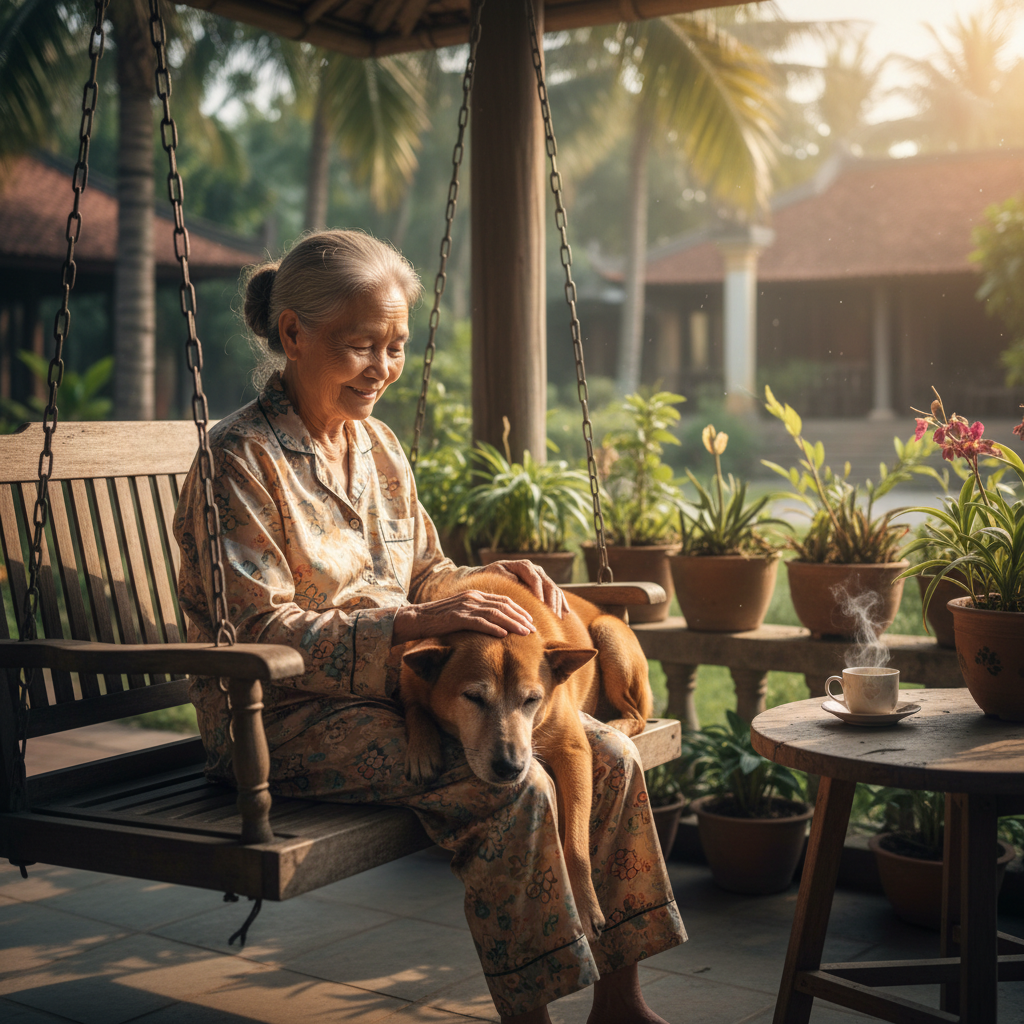
Signs that your dog is old
Not all dog breeds age at the same rate, but there are common signs that your dog is entering the aging stage. Observation and early recognition will help you be more proactive in caring for your senior dog .
- Changes in appearance: Graying of the coat, especially around the muzzle and eyes. Eyes may become slightly cloudy. Skin loses elasticity.
- Decreased energy: Dog sleeps more, less interested in walks or play.
- Difficulty moving: Walking slowly, difficulty standing up, going up and down stairs, or jumping on furniture.
- Weight changes: Easy weight gain due to lack of exercise or weight loss due to underlying health problems.
- Hearing and vision loss: Slow response to calls, easily startled, bumping into objects.
- Behavior changes: Becoming anxious, irritable, or disoriented.
Common diseases in old dogs and how to recognize them
Below is a list of the most common health problems that older dogs may experience.
1. Arthritis
This is one of the most common diseases in older dogs , causing pain and difficulty moving. Arthritis in dogs occurs when the cartilage in the joints wears away.
- Signs: Limping, stiffness (especially after waking up), difficulty standing up or lying down, hesitation when jumping or climbing stairs, constant licking of painful joints.
- Palliative care: Maintain a healthy weight, use a comfortable mattress, supplement with joint support supplements (glucosamine, chondroitin), and use pain relievers as prescribed by your veterinarian.
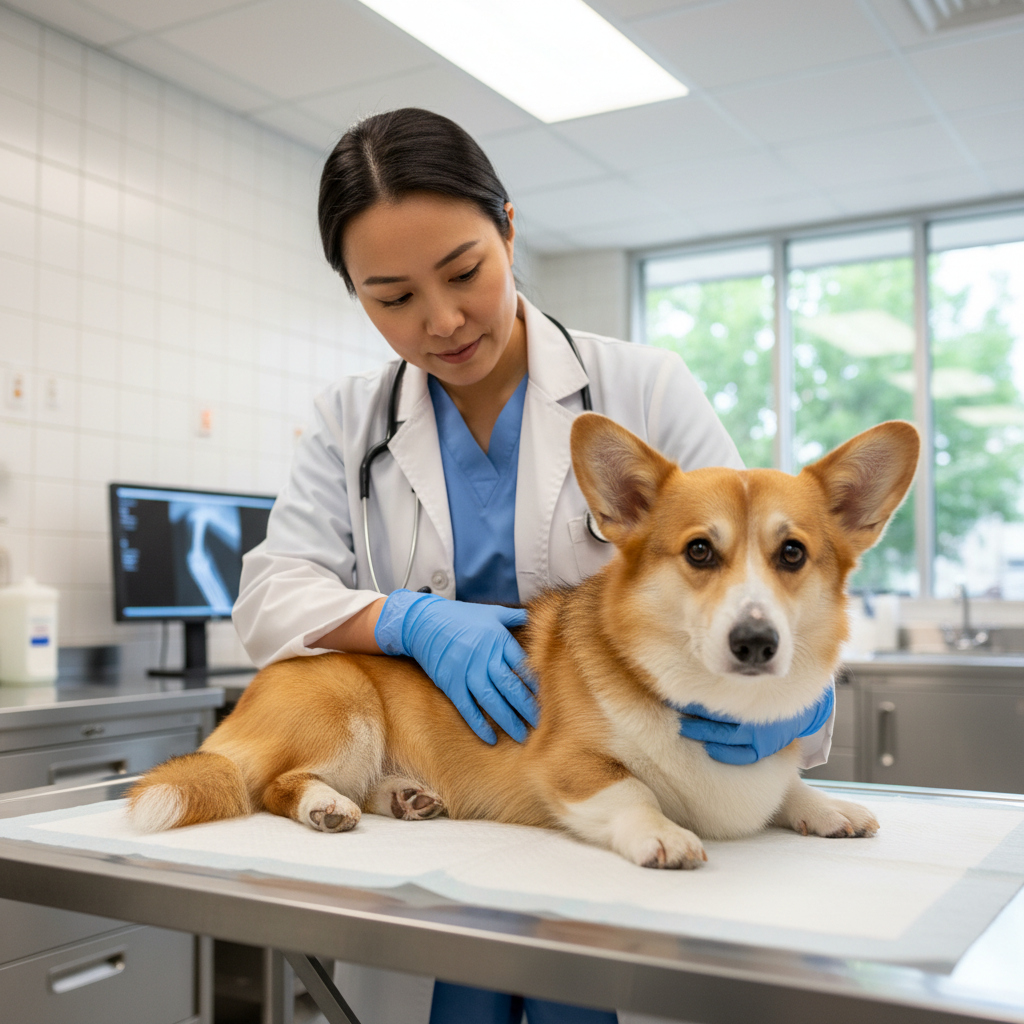
2. Dental diseases
Problems like gingivitis, periodontal disease, and loose teeth are common in older dogs. Bacteria from the mouth can enter the bloodstream and damage vital organs like the heart, liver, and kidneys.
- Signs: Bad breath, red or bleeding gums, difficulty chewing, drooling, loss of appetite.
- Prevention and care: Brush your dog's teeth regularly, use teeth-cleaning chew toys, and take your dog for regular dental cleanings at the vet clinic.
3. Chronic kidney disease
The kidneys gradually lose their ability to filter waste from the blood. It is a progressive disease and cannot be cured, but can be managed to improve your dog's quality of life.
- Signs: Drinking a lot of water and urinating more than usual, weight loss, loss of appetite, vomiting, lethargy, breath smells like ammonia.
- Palliative care: Switch to a specialized kidney-specific diet (low in protein and phosphorus), provide plenty of clean water, and administer medications as directed by your veterinarian.
4. Heart disease
Like people, older dogs are at risk for heart problems, such as congestive heart failure. The heart muscle weakens and cannot pump blood effectively.
- Symptoms: Cough, especially at night or after exercise, shortness of breath, fatigue, decreased mobility, fainting.
- Palliative care: Early detection is important. Your veterinarian may prescribe medications to improve heart function and relieve symptoms.
5. Cognitive impairment (Canine cognitive dysfunction syndrome - CCDS)
This is considered Alzheimer's disease in dogs, affecting their memory, learning ability and cognition.
- Signs: Disorientation, wandering aimlessly around the house, staring at walls, changes in sleep-wake cycle, forgetting learned commands, using the bathroom in inappropriate places.
- Palliative care: Maintain a stable lifestyle, create a safe environment, and use medications and supplements to support brain function as advised by your doctor.
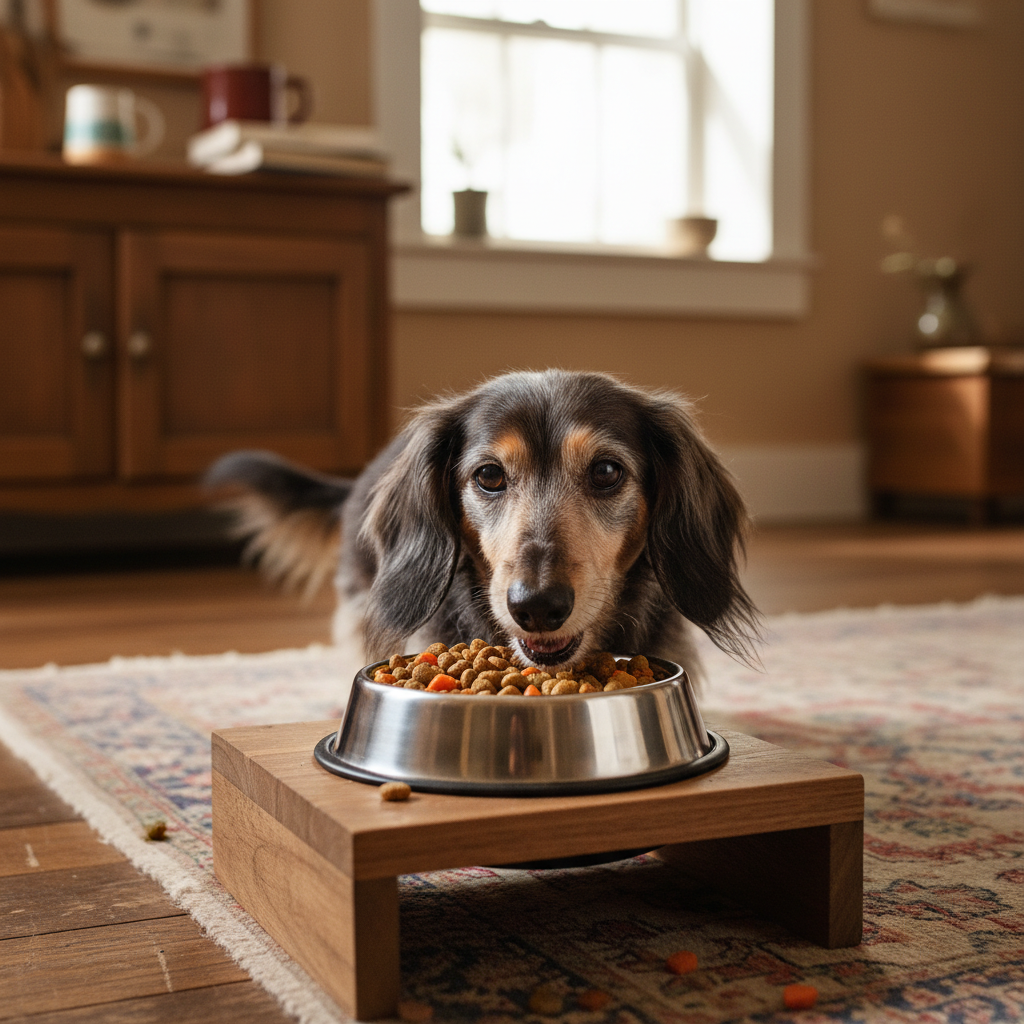
Comprehensive prevention and care for elderly dogs
Although aging is a natural process, there are many steps you can take to help keep your dog healthy and happy.
- Regular checkups: Take your dog to the vet at least twice a year. Regular blood tests and imaging tests can help detect diseases in older dogs before they become serious.
- Proper nutrition: Choose food specifically for senior dogs. These foods are often lower in calories to prevent weight gain, and are fortified with nutrients to support joint and overall health.
- Gentle exercise: Maintain moderate physical activities such as short walks and swimming to keep muscles and joints flexible without overloading.
- Create a comfortable living environment: Use non-slip mats, soft bedding, and place food and water bowls within easy reach. Consider using ramps to help your dog get in and out of bed or the car.
- Give lots of love and patience: Senior dogs need your attention and patience more than ever. Spend time petting and talking to them to make them feel safe and loved.
Conclusion
Caring for an aging dog is a responsible but also a rewarding journey. By understanding the common diseases of aging dogs , recognizing the signs early, and applying preventative care, you are giving your loyal companion the most precious gift of all: healthy, comfortable, and loving years of his life.


