


Introduction to bone and joint diseases by species
Osteoarthritis is a serious health problem that affects the quality of life of pets, especially dogs and cats. Some breeds are genetically or structurally more prone to certain diseases than others. Understanding these risks is the first and most important step in preventing and caring for your four-legged friend’s joint health . This article will focus on two of the most common diseases: Hip Dysplasia and Arthritis .

1. Canine Hip Dysplasia
Hip dysplasia is a developmental defect of the hip joint where the femoral head does not fit properly into the acetabulum of the pelvis. This condition causes laxity, pain, and eventually leads to degenerative arthritis.
- High-risk breeds: Common in large, fast-growing dog breeds such as German Shepherds, Golden Retrievers, Labrador Retrievers, Rottweilers, Great Danes, and Saint Bernards . Smaller breeds such as Bulldogs and Pugs can also be affected due to their unique body structures.
-
Signs of recognition:
- Difficulty walking, especially when standing up.
- "Wiggle" or "bunny" gait (using both hind legs at the same time).
- Reduced interest in exercise, not wanting to run or jump.
- Muscle atrophy in the hamstrings.
- Pain on palpation of the hip area.
-
Prevention and management measures:
- Weight control: Maintaining an ideal weight is the most important factor in reducing stress on the hip joint.
- Proper nutrition: Provide high-quality food, especially large-breed formulas, to help control growth rate and support joint cartilage.
- Supplements: Using products containing Glucosamine, Chondroitin, and Omega-3s can help protect cartilage and reduce inflammation.
- Moderate exercise: Avoid strenuous activities and sudden high jumps. Gentle exercises such as swimming or walking are good for the joints.
- Genetic Screening: If you purchase a puppy from a breeder, ask to see the parent dogs' bone and joint health certificates (e.g., OFA or PennHIP certification).
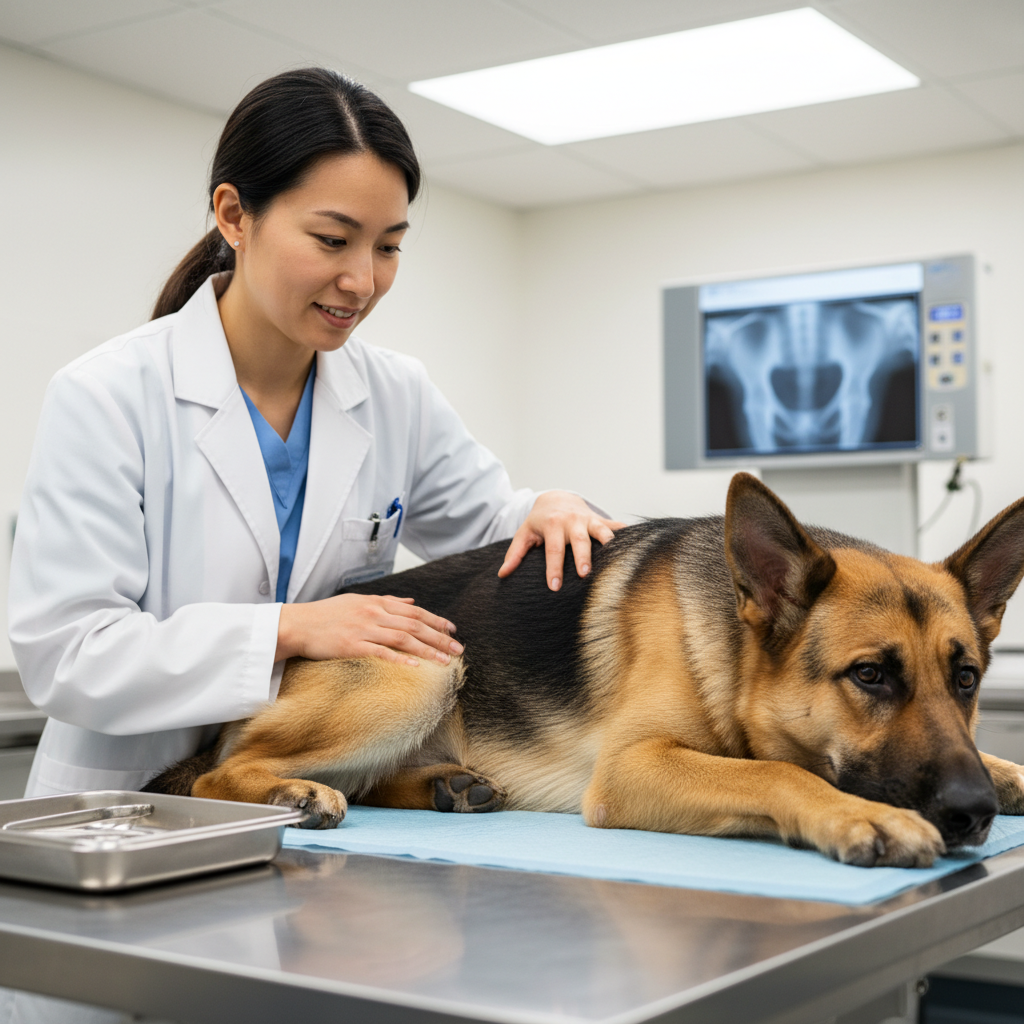
2. Arthritis
Arthritis is inflammation of one or more joints, causing pain, stiffness, and reduced mobility. It can be primary (age-related) or secondary to an injury or other condition such as hip dysplasia.
- High-risk breeds: Although arthritis can affect any breed, especially as they age, some breeds are at higher risk, including: Labrador Retrievers, Golden Retrievers, German Shepherds (due to their susceptibility to dysplasia), Dachshunds (due to their long spines), and overweight or obese breeds.
-
Signs of recognition:
- Stiffness, especially after waking up or resting.
- Limping, walking slowly.
- Difficulty climbing stairs, jumping onto vehicles or furniture.
- Licking or biting repeatedly at the painful joint area.
- Personality changes, becoming irritable due to pain.
-
Prevention and management measures:
- Maintain a healthy weight: Losing weight is the most effective way to reduce pain and slow the progression of arthritis.
- Physical therapy: Gentle exercises, swimming, or aquatic therapy can help strengthen the muscles around the joint without adding stress.
- Environmental management: Provide comfortable bedding, use ramps instead of stairs, and keep your pet warm in cold weather.
- Medications and Supplements: Your veterinarian may prescribe nonsteroidal anti-inflammatory drugs (NSAIDs) to reduce pain and inflammation. Supplements such as Glucosamine, MSM, and Green-Lipped Mussel Extract are also helpful.
- Specialized nutrition: Use foods specially designed for bone and joint health.

3. General Preventive Measures for Bone and Joint Health
Regardless of the breed, taking preventative measures early will help your pet have a healthy musculoskeletal system for a long time.
- Balanced Diet: Always provide a diet appropriate to your pet's age, size and activity level.
- Exercise regularly: Regular exercise helps maintain a healthy weight, strengthens muscles, and keeps joints flexible.
- Regular checkups: Take your pet to the vet for a general checkup at least once a year. Early detection of bone and joint problems will make treatment easier and more effective.
- Avoid injury: Supervise your pet during play to avoid overexertion that can cause joint damage.
Conclude
Understanding your pet’s risk of developing joint and bone diseases based on their breed is key to being proactive about your pet’s health. By taking preventative measures like weight control, proper nutrition, and regular exercise, you can help your companion live an active, happy life free from the pain of hip dysplasia or arthritis .


