


Introduction: The Importance of Eye and Ear Health
The eyes and ears are two of the most important sensory organs, helping us interact and perceive the world around us. However, they are also very sensitive and prone to health problems. Early recognition of symptoms of common eye and ear problems not only helps in timely treatment but also prevents dangerous complications. This article will provide an overview of common conditions, from conjunctivitis to ear infections .

Common Eye Problems
The eyes are the "windows to the soul" but are also vulnerable to bacteria, viruses and environmental factors. Here are some of the most common eye diseases.
1. Conjunctivitis (Pink eye)
Conjunctivitis , also known as pink eye , is an inflammation of the clear membrane on the surface of the eyeball (conjunctiva). It is highly contagious.
- Symptoms: Red eyes, itching, gritty feeling like there is sand in the eyes, watery eyes, yellow or green discharge, eyelids stick together after sleeping.
- Cause: Mainly due to viruses, bacteria, or allergic reactions (pollen, animal hair).
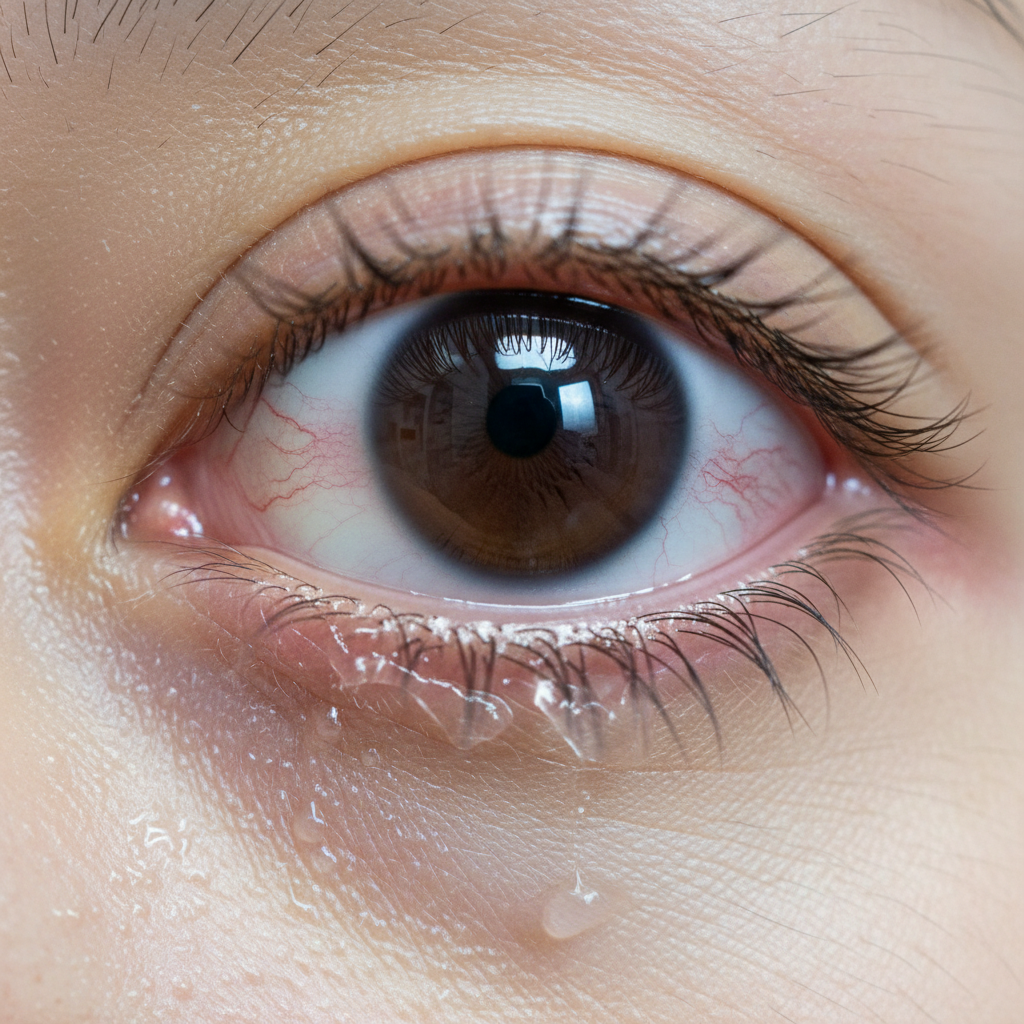
2. Dry eyes
Dry eye syndrome occurs when the eyes do not produce enough tears or when tears evaporate too quickly. This condition is becoming more common due to prolonged use of electronic devices.
- Symptoms: Dry, burning, stinging sensation in eyes; eye fatigue; sensitivity to light; blurred vision after intense work.
- Causes: Aging, hormonal changes, dry environments, wind, and computer vision syndrome .
3. Refractive errors (Myopia, Hyperopia, Astigmatism)
Refractive errors are the most common cause of visual impairment. This is a condition in which images do not focus properly on the retina.
- Myopia: See nearby objects clearly but distant objects are blurry.
- Farsightedness: Seeing distant objects clearly but having difficulty seeing up close.
- Astigmatism: Images are blurred or distorted at all distances due to an irregularly shaped cornea.
Common Ear Problems
The ear not only has the function of hearing but also plays an important role in maintaining the body's balance. Ear problems can cause discomfort and greatly affect the quality of life.
1. Ear infection (otitis media)
Ear infections , especially otitis media , are very common in children but can also occur in adults. This is an inflammation and buildup of fluid in the middle ear cavity.
- Symptoms: Severe ear pain , hearing loss, fever, ear discharge, feeling of fullness in the ear. Children may be fussy and pull at their ears.
- Cause: Usually stems from another respiratory infection such as a cold or flu.

2. Tinnitus
Tinnitus is the perception of noise in the ears (such as ringing, buzzing, or hissing) without an external source of sound. It is a symptom, not a disease.
- Symptoms: Hearing continuous or intermittent phantom sounds in one or both ears.
- Causes: Exposure to loud noise, aging, earwax buildup, or a sign of another underlying medical condition.
3. Blockage due to earwax
Earwax is a natural substance that protects the ear canal. However, when too much builds up, it can cause earwax blockage .
- Symptoms: Earache, feeling of fullness in the ear, tinnitus, hearing loss, dizziness.
- Cause: The body produces too much earwax or using cotton swabs pushes the earwax deeper.
When should you see a doctor?
Although many problems go away on their own, some symptoms are warning signs that require immediate medical attention:
- For eyes: Severe eye pain, sudden loss of vision, seeing flashes of light or many "floaters", eye injury.
- For ears: Sudden hearing loss, severe ear pain that does not go away, discharge of pus or blood from the ear, severe dizziness.
Don't hesitate to seek medical attention if you have any worrying symptoms.

Effective preventive measures
Taking proactive care of your eye and ear health can significantly reduce your risk of:
- Hygiene: Wash hands frequently and avoid rubbing eyes to prevent the spread of infection.
- Protect your eyes: Wear UV-blocking sunglasses, rest your eyes every 20 minutes of computer work (20-20-20 rule).
- Ear protection: Avoid exposure to loud noise, use earplugs in noisy environments, do not use sharp objects to remove earwax.
- Regular health check-ups: Get regular eye and ear exams to detect potential problems early.


