


When a Dog Is 'Bad', It's When the Dog Is Sick: A More Understanding Perspective
Have you ever felt helpless when your well-behaved dog suddenly 'acts up'? Growling for no reason, defecating everywhere, or destroying things despite being carefully trained. Before rushing to scold or apply disciplinary measures, stop for a moment. Most likely, those unusual behaviors are not 'naughty', but a cry for help, a sign that they are having health problems. Distinguishing between behavioral problems and signs of underlying pathology is extremely important to take the best care of our four-legged friends.

Why is the distinction important?
Mistaking behavior for illness can have disastrous consequences. If you try to 'train' a dog that is in pain, you will not only fail, but you will also make the situation worse, causing stress and breaking the bond between you and your pet. On the other hand, early detection of signs of illness through behavioral changes can help save your dog's life, making treatment more effective and less expensive.
Sudden changes in behavior can be a sign of illness.
Here is a list of common 'bad' behaviors that you need to pay close attention to, as they can stem from medical problems:
- 1. Sudden Aggression or Irritability: A gentle dog that suddenly becomes growling, biting, or shying away when handled may be in pain. Pain is the leading cause of aggression in dogs . Possible medical conditions include arthritis, dental problems, internal injuries, or neurological problems.
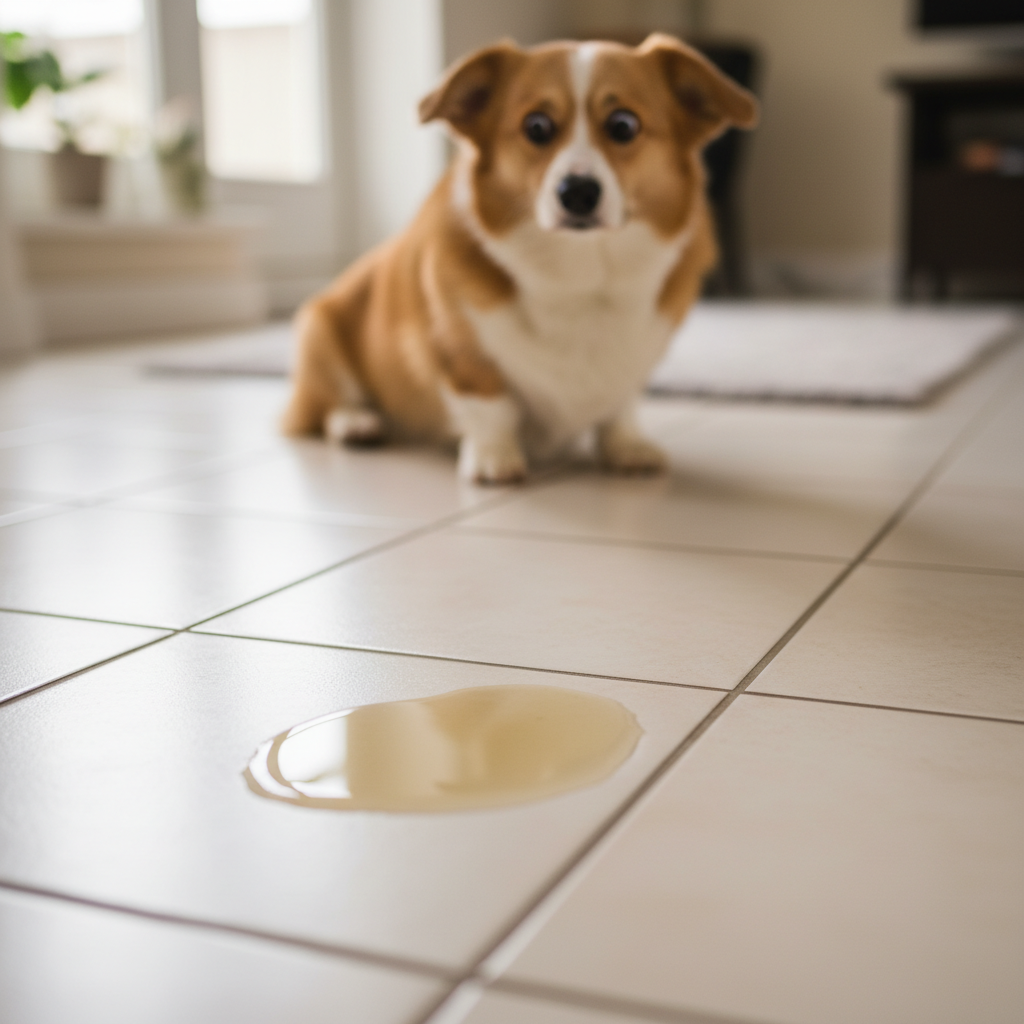
- 2. Toileting in the wrong place: If your dog, who has mastered going to the toilet in the right place, suddenly starts urinating in the house, don't be too quick to assume that he's 'getting revenge'. This is a classic sign of a urinary tract infection (UTI) , kidney stones, diabetes, kidney problems, or incontinence due to old age.
- 3. Change in eating habits: If your dog refuses to eat or loses appetite, it could be a sign of dental disease, stomach pain, or other serious illnesses. On the other hand, if your dog eats unusually much but still loses weight, it could be a symptom of diabetes or thyroid problems.
- 4. Lethargy, fatigue, lack of desire to exercise: A sudden drop in energy is not always due to laziness. A dog that is tired and no longer interested in walking or playing may have heart disease, anemia, infection, or pain from arthritis.
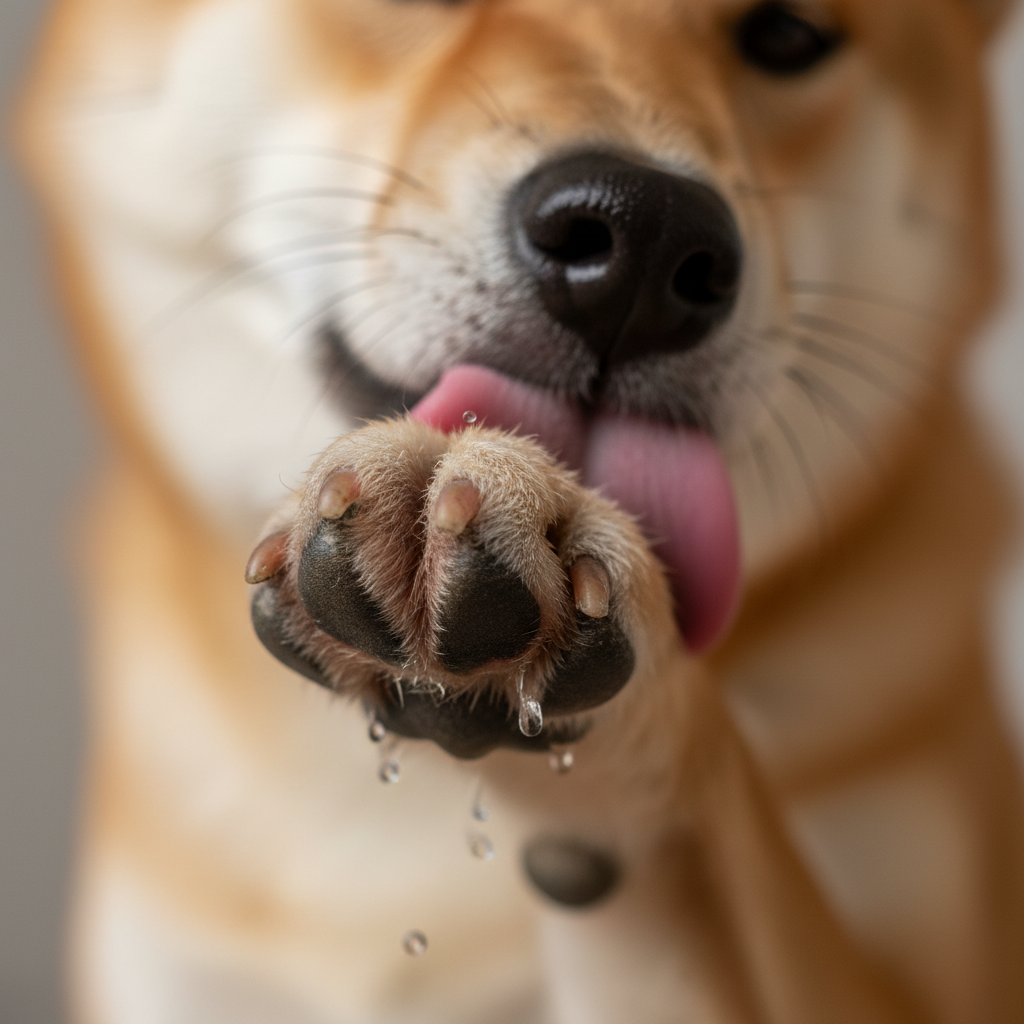
- 5. Excessive licking or biting the body: The act of a dog licking its feet or a certain part of its body constantly is often a sign of allergies in dogs , fungal infections, fleas, ticks, or they are feeling pain or itching in that area.
- 6. Barking, whining, or howling more than usual: Dogs barking more than usual or making strange sounds may be their way of expressing pain or anxiety. In older dogs, this can also be a sign of cognitive dysfunction syndrome (CDS), hearing loss, or vision loss.
So when is it a purely behavioral issue?
Not all bad behavior is due to illness. Purely behavioral problems are often related to psychological and environmental factors, such as:
- Separation Anxiety: Dog is destructive, barks, or eliminates only when left alone.
- Lack of stimulation: A bored dog that doesn't get enough exercise may dig and chew on things to release energy.
- Changes in environment: Moving house, adding a new member (person or pet) can cause stress and lead to behavioral changes.
- Inconsistent training: Rules are unclear or not applied consistently within the household.
The key difference is that behavioral problems often have an identifiable 'trigger' and are not accompanied by other physical symptoms such as vomiting, diarrhea, weight loss...
What should you do? - Action steps
When you notice a change in your dog's behavior, follow these steps:
- Step 1: Observe and record. Write down the details of what the unusual behavior is, when it started, how often it occurs, and whether there are any other physical symptoms.
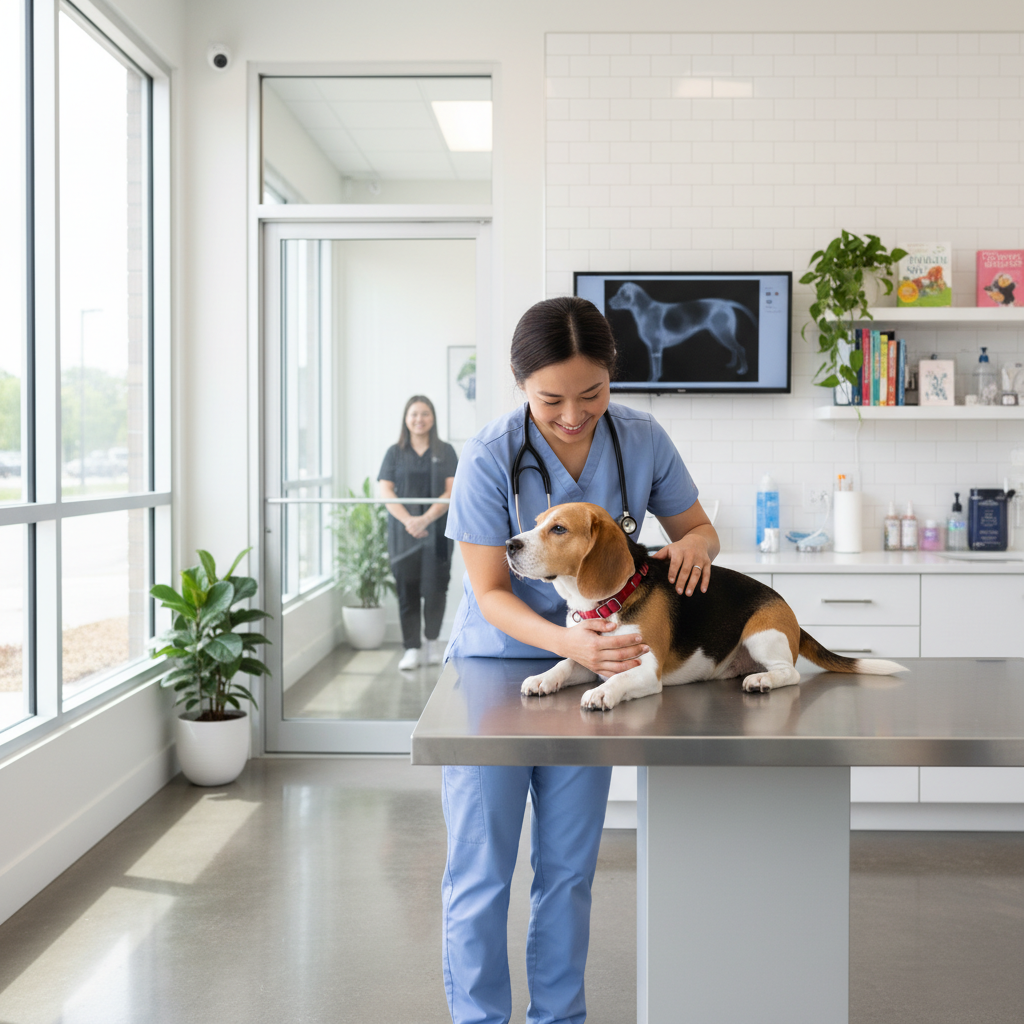
- Step 2: Take your dog to the vet. This is the most important step. Rule out all medical causes first. A complete physical exam, including blood work, can help detect underlying conditions.
- Step 3: Consult a specialist. If your veterinarian has confirmed that your dog is completely healthy, you should now seek the help of a trainer or animal behaviorist to address any psychological issues.
Conclude
Being a responsible dog owner means being a keen observer. Instead of getting angry, view 'bad' behavior as a form of communication. Your dog may be trying to tell you something important about their health. By prioritizing medical check-ups, you not only show your love, but you also ensure your companion has a healthy and happy life.


