


Cats with diarrhea : A common problem but not to be ignored
Diarrhea in cats is a common condition that most cat owners have experienced at some point. While it is usually not dangerous, it can be a sign of a number of underlying health problems. Understanding the causes of diarrhea in cats and how to treat it properly will help you provide the best care for your four-legged friend.
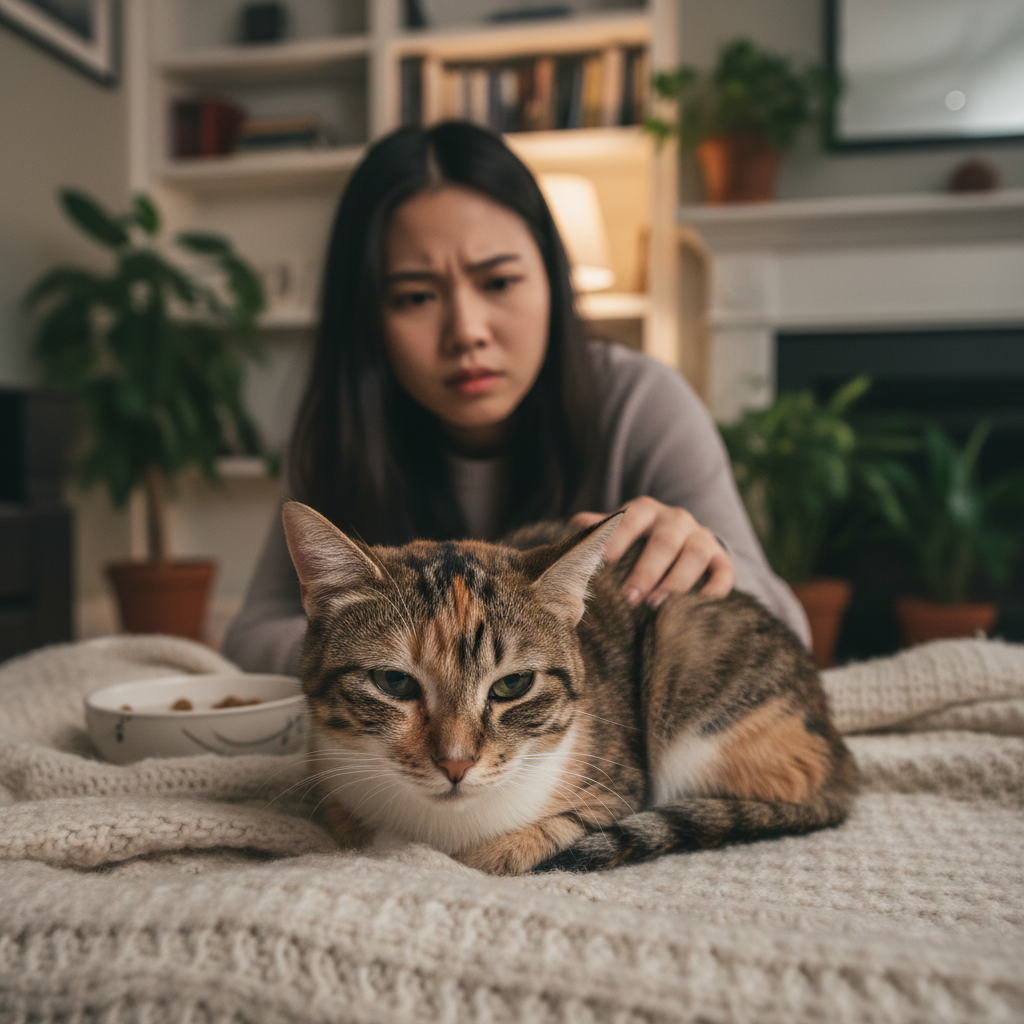
Common causes of diarrhea in cats
There are many reasons why your cat may have digestive problems. Here are the most common:
- Sudden change in diet: This is the leading cause. Switching from one type of food to another too quickly causes the cat's digestive system to not have time to adapt.
- Inappropriate or poor quality food: Cats eat spoiled food, are allergic to certain ingredients in the food (grains, proteins...) or eat human food.
- Parasitic infections: Worms such as roundworms, hookworms, tapeworms, or protozoans such as Giardia, Coccidia are common culprits of diarrhea, especially in kittens .
- Bacterial or viral infections: Bacteria such as Salmonella, E. coli or viruses such as Feline Panleukopenia (Pancreatic Cystitis Virus), Feline Coronavirus can cause severe diarrhea.
- Swallowing foreign objects or toxins: Cats may be curious and swallow small toys, rubber bands, or lick toxic substances in the house (poisonous plants, cleaning chemicals).
- Stress or anxiety: Changes in the living environment such as moving house, getting a new pet, or the owner going away can also cause stress in cats and lead to digestive disorders.
- Other medical conditions: Diarrhea can also be a symptom of more serious conditions such as inflammatory bowel disease (IBD), kidney disease, liver disease, hyperthyroidism, or even cancer.
Signs of diarrhea in cats and when to worry
The most obvious sign is loose, unformed stools. However, you need to pay attention to the accompanying symptoms to assess the severity:
- Stool color is strange: Stool is black, red (mixed with blood), yellow or green.
- Other symptoms: Cats vomit, lose appetite, are lethargic, tired, lose weight, and show signs of dehydration (sunken eyes, loss of skin elasticity).
- Frequency and duration: Diarrhea lasts longer than 24-48 hours or occurs frequently.
If your cat (especially a kitten with diarrhea ) shows any of the above signs, take them to the vet immediately.
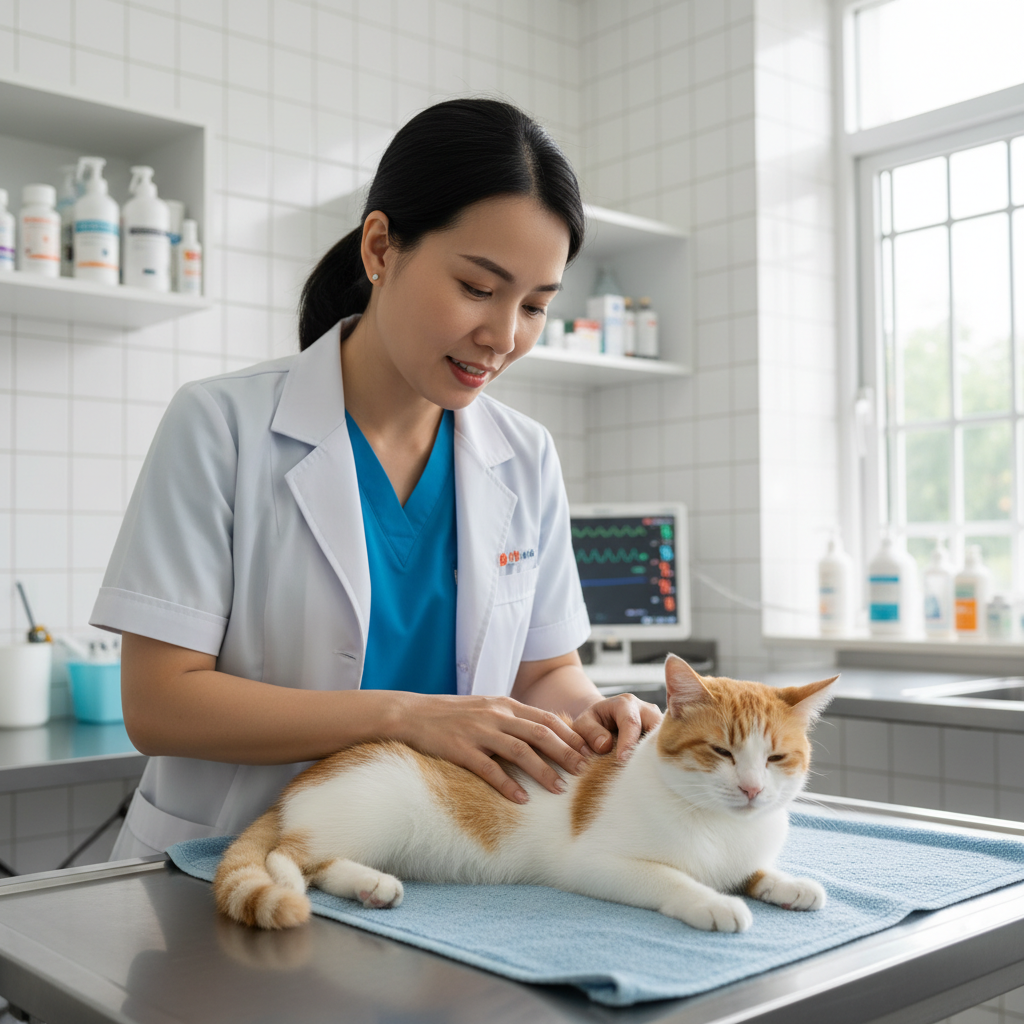
How to treat diarrhea in cats at home (mild cases)
For mild cases of diarrhea, without other dangerous symptoms, you can try some home care measures:
- Temporary fasting: Fast adult cats for 12-24 hours (NOT applicable to kittens) to allow their digestive system to rest. Always ensure adequate fresh water is available.
- Rehydration and electrolytes: Encourage your cat to drink plenty of water. You can consult your veterinarian about using an electrolyte solution for pets.
- Bland Diet: After the fasting period, start feeding your cat again with a bland, easily digestible diet such as shredded boiled chicken breast (skinless, boneless, no seasonings). Feed small portions and monitor your cat's reaction.
- Probiotic Supplement: Probiotics specifically formulated for cats can help rebalance intestinal bacteria. Consult your veterinarian for product recommendations.
- Close monitoring: Watch your cat closely for signs of stool, behavior, and overall health. If there is no improvement after 24 hours, contact your veterinarian.

When should I take my cat to the vet ?
Don't hesitate to take your cat to the vet if you see any of the following signs:
- Diarrhea lasting more than 48 hours.
- Stools containing fresh blood or black, tarry stools.
- Cats vomit continuously, refuse to eat, drink too much water or do not drink at all.
- There are signs of pain, lethargy, high fever.
- Suspect the cat has swallowed a foreign object or poison.
- The condition is especially dangerous for kittens , older cats, or cats with underlying medical conditions.
Preventive measures for cats with diarrhea
Prevention is better than cure. Take these steps to keep your cat's digestive system healthy:
- Do not change food suddenly: When you want to change food, gradually mix the new food into the old food over about 7-10 days.
- Provide quality food: Choose reputable foods that are suitable for your cat's age and health status.
- Regular deworming: Deworm your cat according to your veterinarian's schedule.
- Full vaccination: Vaccination helps protect cats from dangerous infectious diseases caused by viruses.
- Keep the living environment clean: Clean the litter box regularly and keep the food and water bowls clean.
- Avoid letting cats eat indiscriminately: Do not feed cats leftovers from people and keep small objects and toxic chemicals out of their reach.
In short, diarrhea in cats is a health problem that needs to be taken seriously. By careful observation, timely treatment and preventive measures, you can help your cat live a healthy and happy life.


