


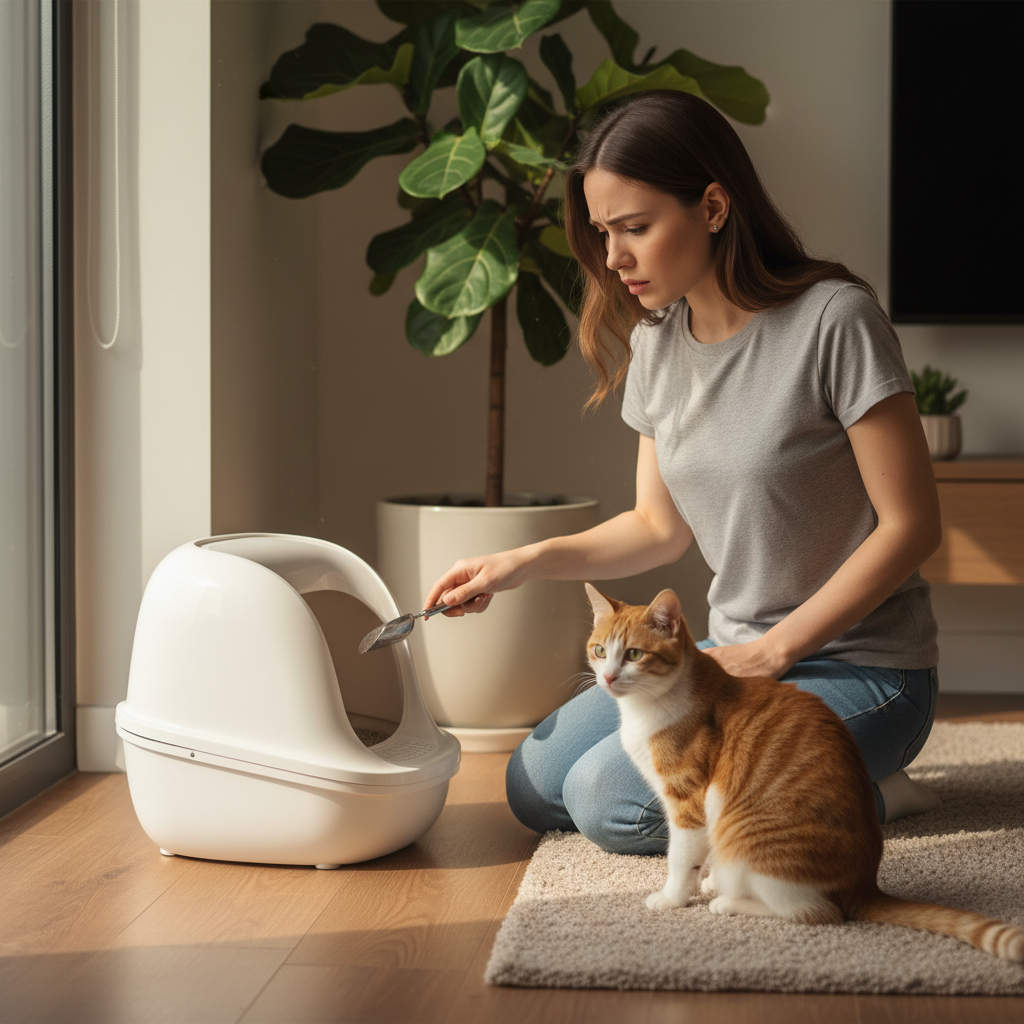
For cat owners, cleaning up the 'battlefield' in the litter box is a daily task. However, few people know that these 'products' are an important indicator of the health of the 'king'. Especially when the cat has diarrhea, observing the color and texture of the stool can provide valuable clues to help you detect potential problems early. Let's learn how to 'read' the health of your boss through this article!
1. Why is it necessary to observe cat feces when having diarrhea?
Cat poop is not just waste, but also a mirror reflecting the health of the digestive system and the entire body. When a cat has diarrhea, changes in color, texture, or frequency of defecation are all warning signs. Early detection of these abnormalities will help you handle the situation promptly, avoiding the cat's condition from becoming more serious.
2. 'Decoding' types of diarrhea in cats through the COLOR of stool
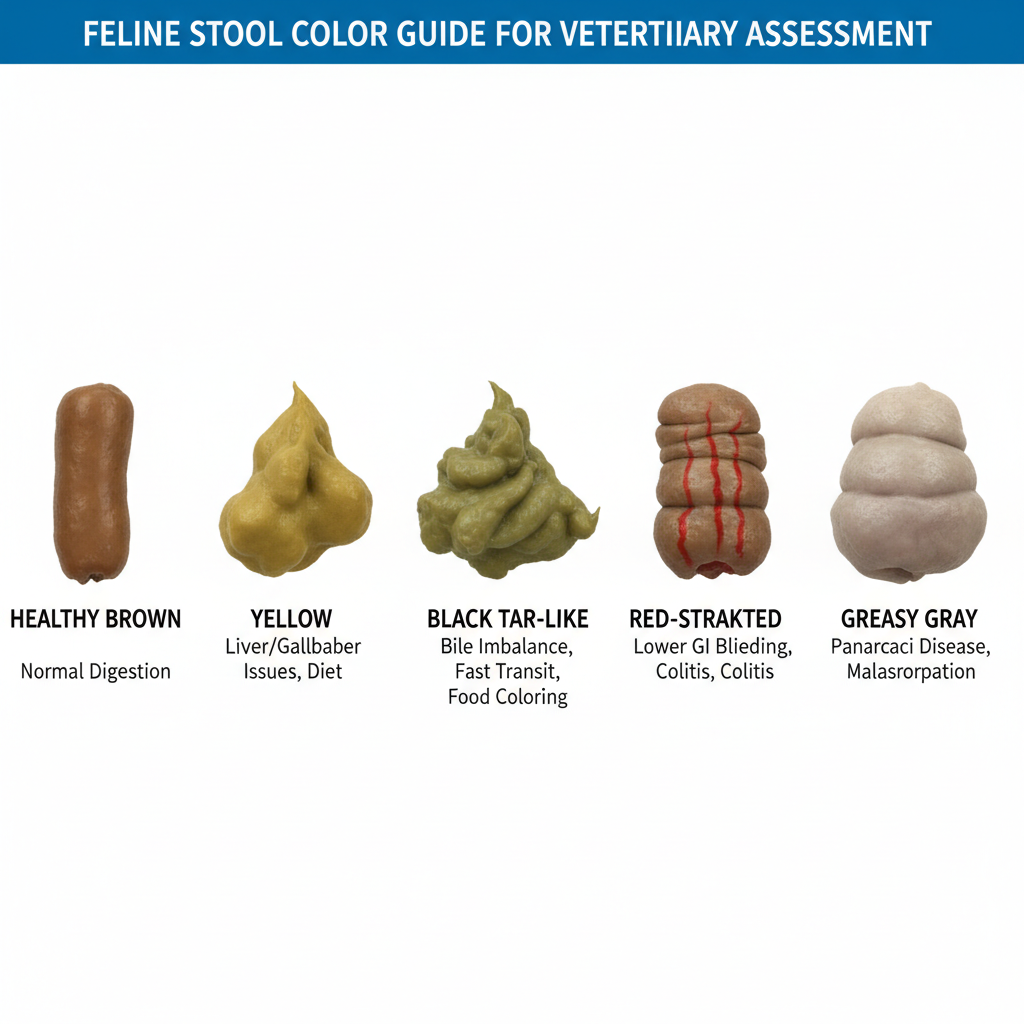
The color of your cat's poop can reveal a lot about what's going on inside your cat's intestinal tract. Here are some common colors to look out for:
-
Chocolate brown stools (thick or runny): This is the most 'normal' color of diarrhea. It is usually a sign of mild diarrhea caused by a sudden change in diet or mild stress. However, if the condition persists, you still need to monitor it closely.
Yellow or green stool: This color indicates that food is moving through the intestines too quickly, giving the bile enough time to digest and transform into the characteristic brown color. This can be due to digestive disorders, infections or gallbladder problems.
-
Black or Tar Stool (Melena): SERIOUS WARNING! Black, tarry stools are a sign of digested blood , indicating bleeding in the upper part of the digestive tract (stomach, small intestine). This could be due to a stomach ulcer, swallowing a sharp object, or other serious medical conditions. Take your cat to the vet immediately.
Bright red blood in stool (Hematochezia): Bright red blood indicates bleeding in the lower part of the digestive tract (large intestine, rectum). This could be due to colitis, parasites, anal fissures, or polyps. Although not as serious as black stool, you should still consult your veterinarian.
-
Grey or greasy white stools: This could be a sign of a problem with the liver, gallbladder, or pancreas. Bile, which gives stool its brown color, may be blocked. This is a condition that requires medical diagnosis.
3. 'Read' your cat's health through the TEXTURE of its feces
Besides color, the texture of the stool is also an important factor that cannot be ignored.
Loose, liquid (pudding-like) stools: A common form of diarrhea that indicates mild inflammation or digestive upset. Often associated with a change in diet or food intolerance.
-
Watery stools: This is a sign of acute and severe diarrhea . This condition causes the cat to lose water and electrolytes very quickly, which is especially dangerous for kittens and older cats. Early medical intervention is needed to avoid complications.
Mucus in stool: A mucous layer covering the stool is often a sign of colitis (inflammation of the large intestine). Mucus is produced by the intestines to protect the lining from irritation.
4. Common causes of diarrhea in cats
Understanding the causes will help you better prevent your cat:
- Sudden change in diet.
- Food allergies or intolerances.
- Parasitic infections: Worms, flukes, Giardia...
- Bacterial or viral infections: Salmonella, E. coli, Panleukopenia...
- Swallowing foreign objects or toxins.
- Stress.
- Underlying medical conditions: Inflammatory bowel disease (IBD), kidney disease, hyperthyroidism, cancer...
5. When should you take your cat to the vet?
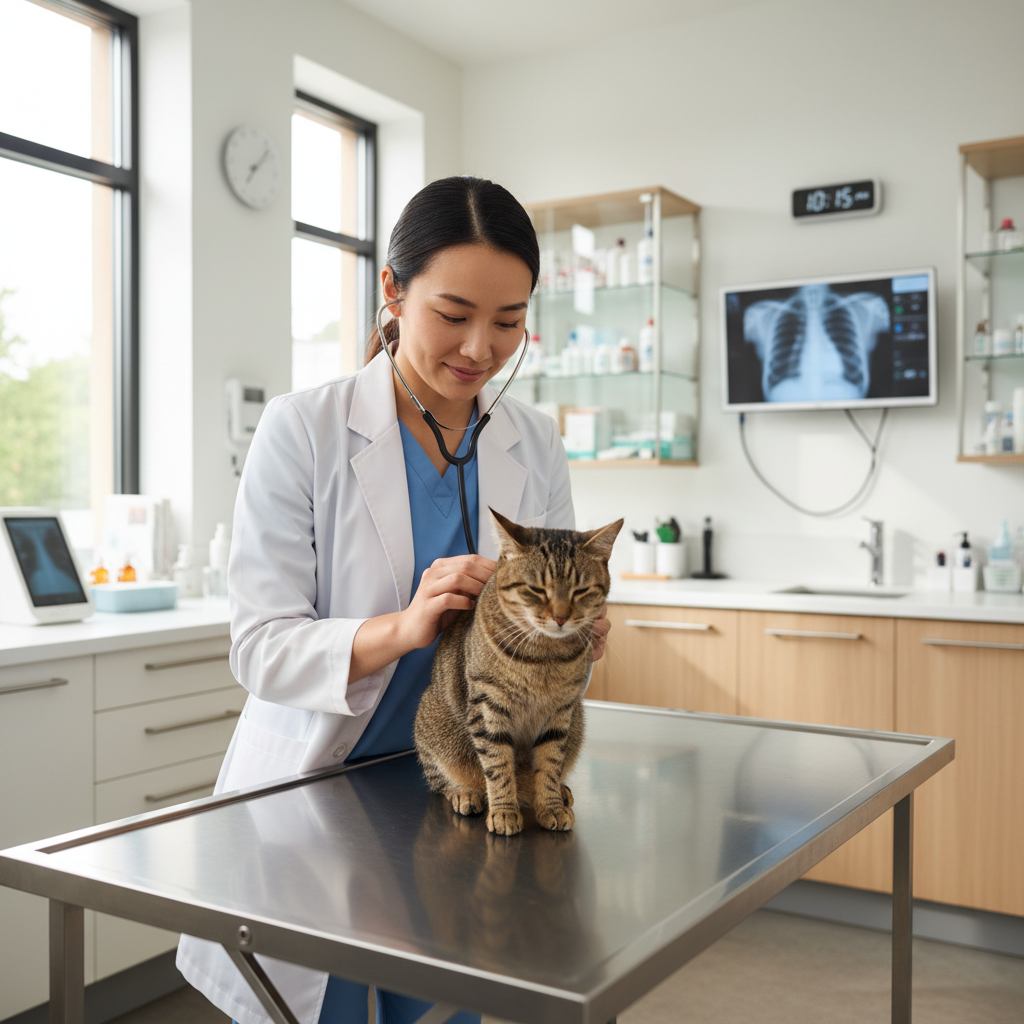
Don't hesitate to take your cat to the vet if you notice any of the following signs:
- Diarrhea lasting more than 24-48 hours.
- Stools are black and tarry or contain bright red blood .
- Cats have accompanying symptoms such as: vomiting, loss of appetite, lethargy, fever, weight loss .
- Suspect the cat has swallowed a foreign object or poison.
- The target is kittens, elderly cats, or cats with underlying medical conditions , as they are susceptible to dehydration and serious complications.
Watching your cat's poop may not be the most pleasant task, but it's one of the simplest and most effective ways to monitor their health. By being a keen 'detective', you can spot problems early and ensure your 'boss' stays healthy and happy.


