


Introduction: Invisible Dangers From Ticks, Lice, and Fleas
Ticks, lice, and fleas not only cause itching and discomfort, but are also the main cause of many dangerous parasitic diseases in dogs . Understanding them and taking timely preventive measures is an important responsibility of every pet owner. This article will provide a comprehensive overview of the causes, signs, and effective ways to prevent these parasites.

1. Identifying the Enemies: Ticks, Lice and Fleas
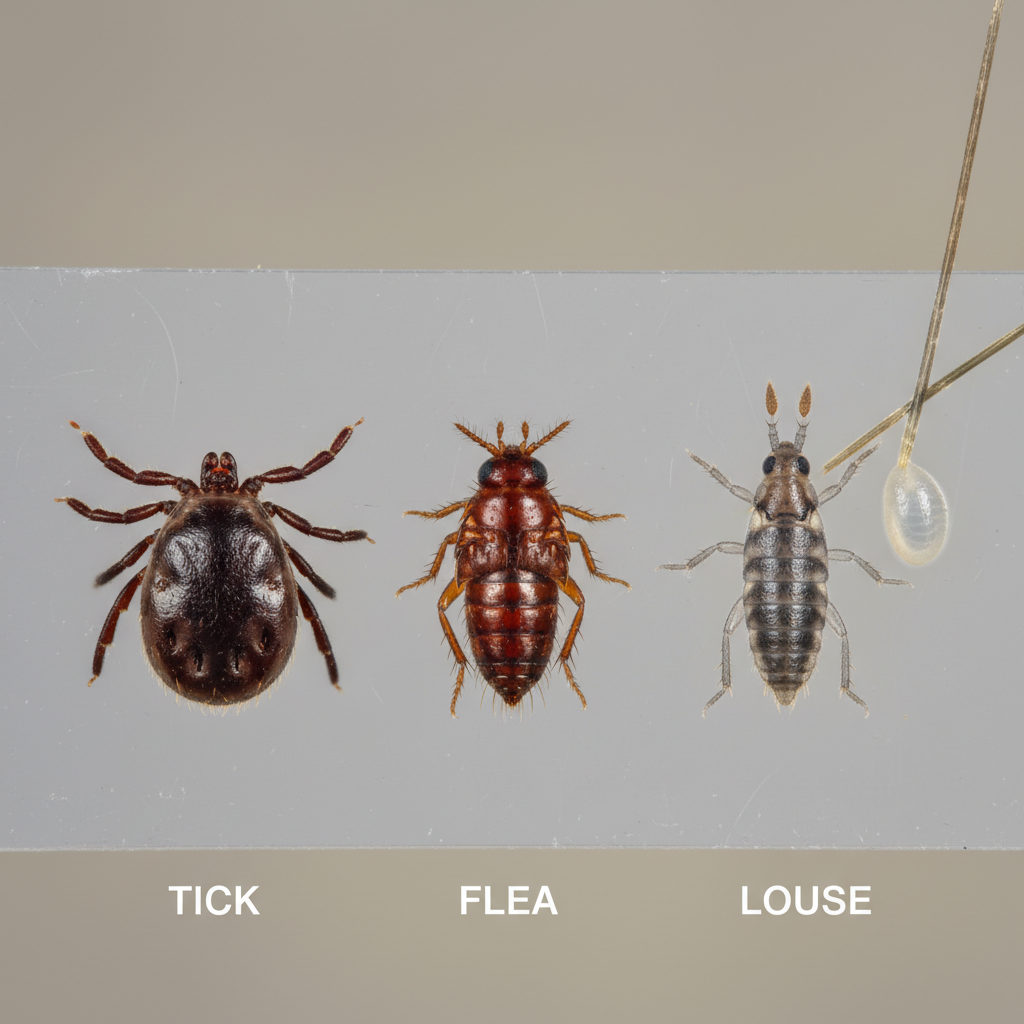
To effectively prevent ticks and fleas , you first need to identify them. Each type has different characteristics and ways of causing harm.
- Ticks: These are blood-sucking parasites, shaped like small beans when not sucking blood and swollen after being full of blood. They often cling to the skin in areas such as the ears, neck, and between the toes. Ticks are intermediate hosts that transmit many dangerous diseases, especially blood-borne diseases.
- Lice: These are small, wingless insects that live on the hair and skin of dogs. They cause intense itching, causing dogs to scratch constantly, leading to skin damage and hair loss.
- Fleas: These are small insects that can jump far and move very quickly on the dog's body. Flea bites cause allergies, dermatitis and they are also intermediate hosts of tapeworms.
2. Causes of Dogs Being Infected with Ticks, Lice, and Fleas
Understanding the causes helps us be more proactive in prevention. Below are the most common routes of infection:
- Direct contact: Your dog can become infected by playing or coming into close contact with other animals that carry the disease.
- Habitat: Ticks, lice, fleas and their eggs can survive in the outdoor environment such as lawns, parks, gardens or even in your home (carpets, sofas, bedding). Dogs can easily get infected when walking or resting in these areas.
- Poor hygiene: An unclean living environment and the dog itself, and frequent bathing will create ideal conditions for parasites to grow and multiply.
3. Signs That Your Dog Is Being Attacked By Parasites
Observe your pet dog regularly to detect the following unusual signs early:
- Constant scratching: This is the most common and easily recognizable sign. Dogs may scratch, bite or lick an area of skin on their body intensely.
- Skin irritation: Red rash, swelling, dermatitis, scabbing or ulceration.
- Hair loss: Hair loss in patches, especially in the back, groin and tail areas.
- Behavioral changes: Dogs become lethargic, tired, lose their appetite, become irritable and restless.
- Detecting parasites: You may be able to directly see ticks, lice, fleas or 'flea droppings' (tiny black particles) when you part your dog's fur to inspect.

4. Dangerous Parasitic Diseases Caused by Ticks, Lice, and Fleas
Don't take these tiny parasites lightly. They can cause serious, even life-threatening, illnesses in dogs:
- Lyme Disease and Ehrlichiosis: Transmitted by ticks , causes fever, swollen joints, loss of appetite, and can lead to kidney and nervous system damage.
- Flea allergy dermatitis (FAD): A severe allergic reaction to flea saliva, causing intense itching and secondary skin infections.
- Tapeworm infection: Dogs can swallow fleas carrying tapeworm larvae when they lick or scratch.
- Anemia: In severe cases of parasitic infection, constant bloodsucking can cause anemia, which is especially dangerous in puppies and frail older dogs.
5. Comprehensive and Effective Prevention Measures
Prevention is better than cure . Take these steps to protect your dog from ticks, fleas, and lice:
- Use a preventative product regularly: This is the most important step. Consult your veterinarian to choose the right product such as neck drops, chewable tablets, special collars. Use regularly as directed.
- Bathe regularly: Use specialized shower gels that kill and prevent ticks, lice, and fleas.
- Clean the living environment: Regularly wash the dog's bed, blankets, and carpets with hot water. Vacuum the house, especially the crevices, under the bed, and sofa. Clear bushes and trim grass in the yard.
- Manual check: After each walk, carefully check the dog's entire body, especially the ears, neck, and toes to catch ticks promptly.
- Consult a veterinarian: Take your dog for regular check-ups to get advice and the most appropriate prevention regimen.

Conclude
Preventing ticks, fleas, and lice is an ongoing process that requires care and perseverance from the owner. By taking proactive and comprehensive preventive measures, you not only keep your dog healthy and comfortable, but also protect the health of the whole family. Always be a responsible owner to bring the best life to your four-legged friend.


