


Stress and Anxiety: The Silent Culprits of Chronic Digestive Problems in Cats
When your cat has chronic diarrhea , vomiting , or loss of appetite , our first thoughts are often about food or parasites. However, there is a silent culprit that many people overlook: stress and anxiety . The connection between psychology and gut health, known as the brain-gut axis , is as strong in cats as it is in humans. This article will delve into how stress affects your cat's digestive system and how you can help your four-legged friend.
1. The Brain-Gut Axis: The Scientific Link Between Stress and the Stomach
The Gut-Brain Axis is a complex two-way communication system between the central nervous system (brain) and the digestive system. When a cat feels stressed or anxious , the brain releases stress hormones such as cortisol. These hormones can:
- Alters the intestinal microbiome, causing an imbalance between beneficial and harmful bacteria.
- Increased permeability of the intestinal wall, leading to "leaky gut" and inflammation.
- Affects intestinal motility, causing diarrhea or constipation .
- Reduced secretion of stomach acid and digestive enzymes, making it more difficult to digest food.
Therefore, a cat that is constantly stressed is at a very high risk of developing chronic digestive problems .
2. Signs That Your Cat Is Stressed and Has Digestive Problems
It is important to recognize both the behavioral signs of stress and the physical symptoms of digestive problems. They often go hand in hand.
Signs of stress in cats:
- Go to the toilet outside the litter box.
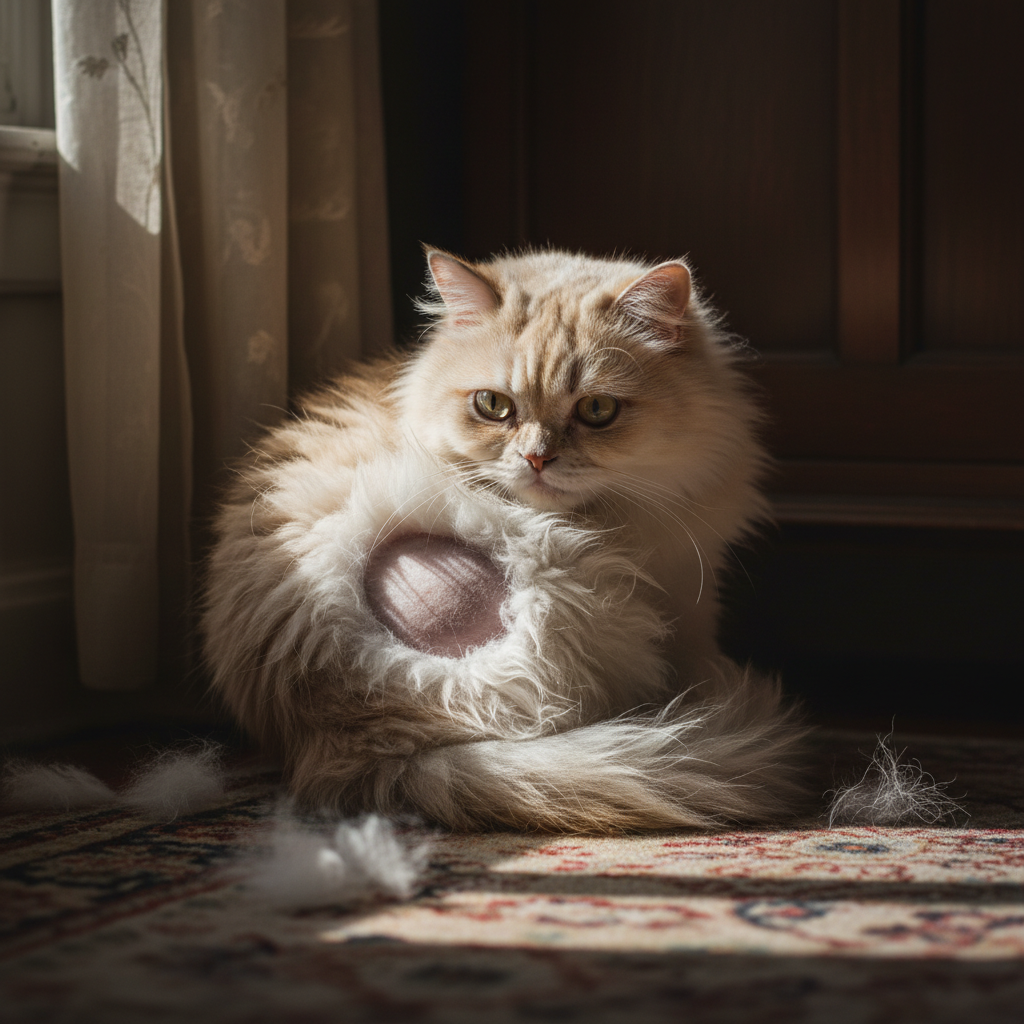
- Overgrooming (licking hair until it falls out).
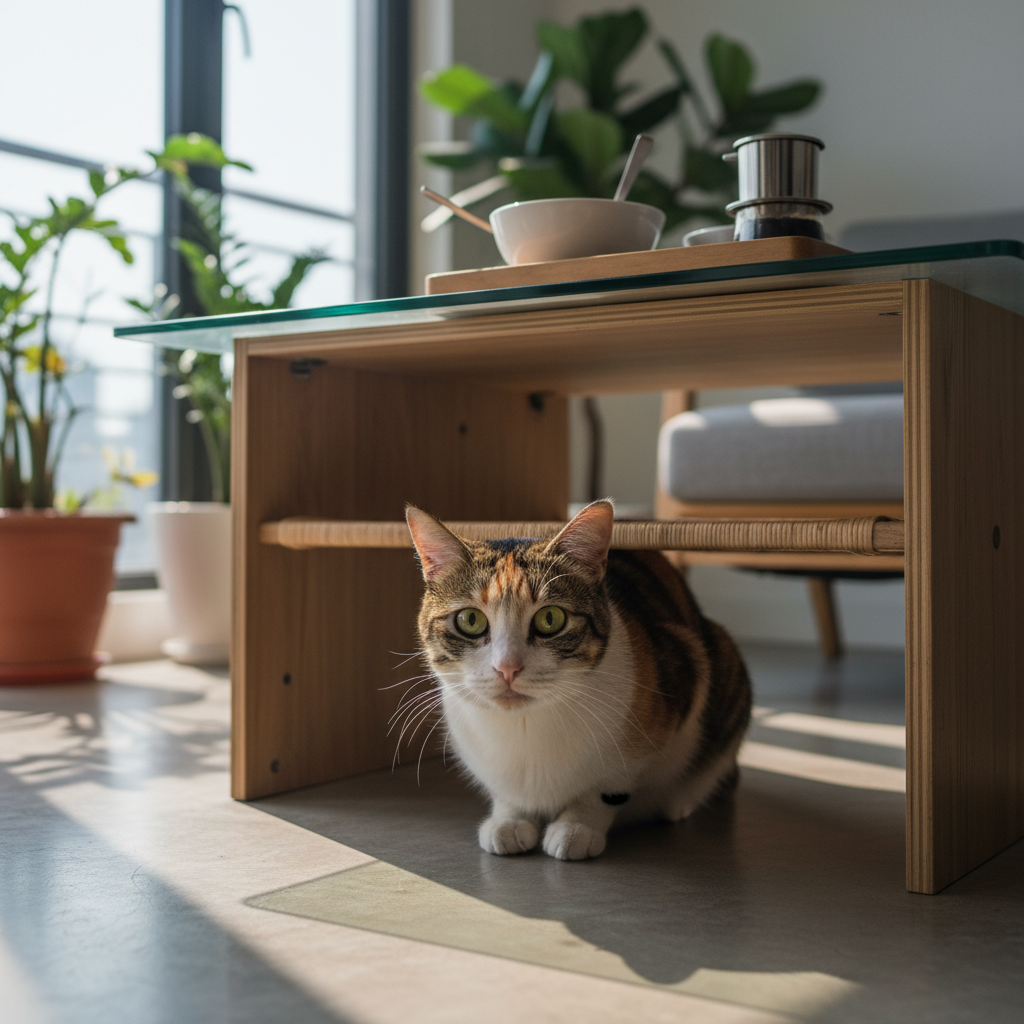
- Avoid, hide more than usual.
- Change in appetite (eating less or more).
- More vocalizations or unusual silence.
- Sudden aggression or fear.
Signs of stress-related digestive problems:
- Chronic, recurring diarrhea or constipation .
- Frequent vomiting , unrelated to hairballs.
- Flatulence, bloating.
- Unexplained weight loss.
- Enteritis or Irritable Bowel Syndrome (IBS) in Cats .
3. Common Causes of Stress in Cats
To get to the root of the problem, you need to identify what is causing your cat's stress. Common causes include:
- Change of environment: Moving house, getting new furniture, or even just rearranging the interior.
- Social Changes: Gaining new members (people or other pets), losing a companion.
- Conflict with other pets: Fighting over territory, food, or the owner's attention.
- Boredom: Lack of mentally and physically stimulating activities, also known as lack of environmental enrichment .
- Loud noises: Thunder, fireworks, construction, parties.
- Irregular schedule: Inconsistent feeding and play times.
4. Comprehensive Solution: Reduce Stress to Improve Digestion
Treating stress-related digestive problems requires a comprehensive approach that focuses not just on the symptoms but also on addressing the cause of the stress.
- Create a safe environment: Provide your cat with plenty of safe hiding places (cardboard boxes, cat trees) and high perches where he can observe his surroundings.
- Environmental Enrichment: Provide interactive toys, scratching posts, and spend time playing with your cat every day to relieve energy and boredom.
- Maintain a regular schedule: Feed, clean the litter box, and play at consistent times each day to create a sense of stability and predictability.
- Using Synthetic Pheromones: Products like Feliway can help create a calm, anxiety-reducing environment for your cat.
- Easy-to-digest diet: Consult your veterinarian about specialized foods for cats with sensitive stomachs or probiotic supplements to support gut health.
- Don't Punish: Scolding your cat for potty training or stress-induced behavior will only make the situation worse.

5. When Should I See a Vet?
If your cat's digestive symptoms do not improve after you have applied stress-reducing measures, or if they become severe, take your cat to the vet immediately. Your vet will need to rule out other medical causes such as infections, food allergies, or more serious illnesses. They can recommend tests and come up with a specific treatment plan, which may include medication and dietary changes.
In short, your cat’s mental health and physical health are closely linked. Recognizing and managing stress in your cat will not only make them happier, but is also key to managing and preventing many chronic digestive problems . Be a sensitive and understanding cat owner to give your cat a healthy and happy life all around.


