


'Green' Choice for Boss: Pate or Seeds?
When choosing pet food, we often consider nutrition and price. However, the environmental impact of dog and cat food is also an increasingly important factor. This article will objectively analyze and compare the ecological footprint of the two most popular types of food: pate (wet food) and kibble (dry food) , based on four main aspects.
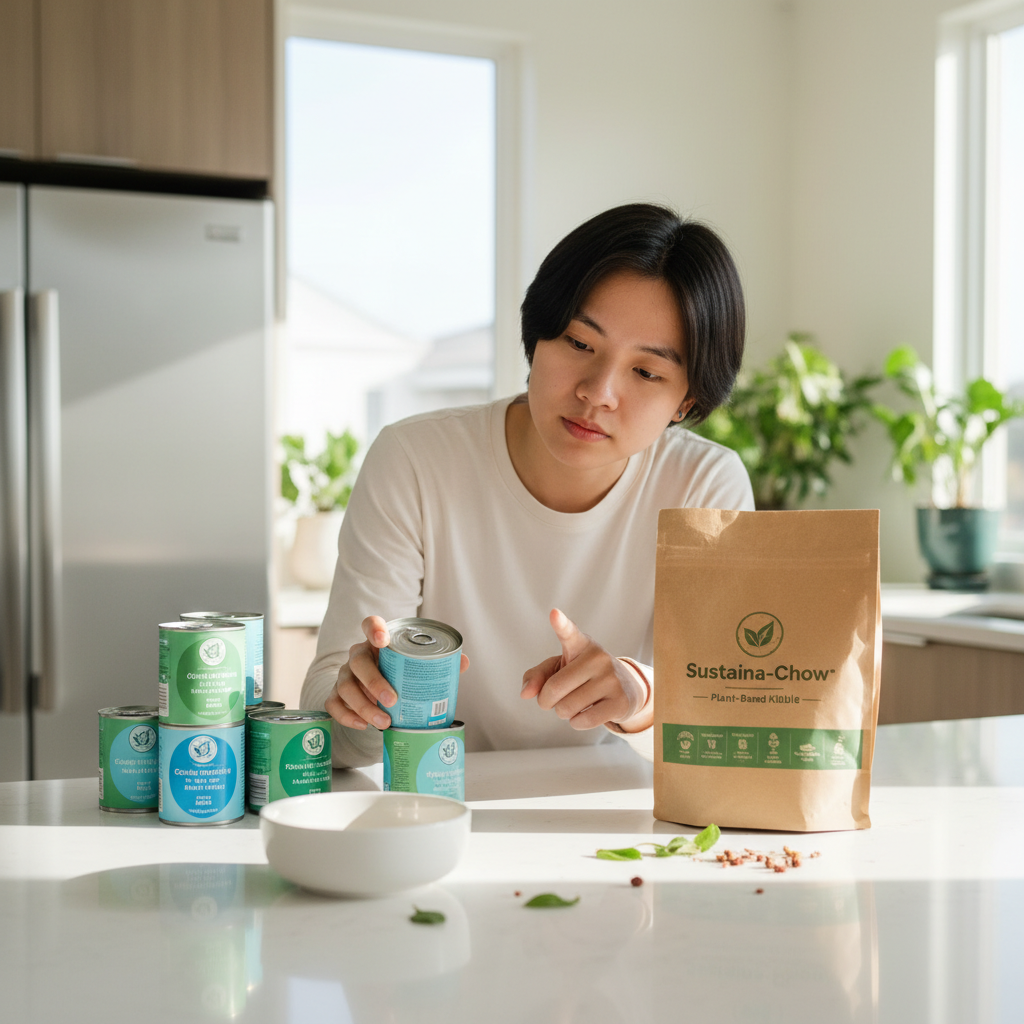
1. Impact from Raw Material Production
- Pâté (Wet Food): Usually has a higher meat and moisture content (about 75% water). Animal protein sources, especially red meat, have a larger carbon footprint and water usage than plant proteins. However, many pâtés use by-products from the human meat industry, helping to reduce food waste.
- Grains (Dry Feed): Often contain more grains, vegetables and plant proteins, interspersed with meat meal or processed meat. This can reduce the environmental impact of livestock farming . However, the processing of these ingredients also requires energy.
2. Impact from the Production Process
Both processes consume energy, but in different ways.
- Pate: Requires cooking and sterilization in the can (called 'retorting') at high temperature and pressure for preservation. This is an energy-intensive process.
- Granules: Using an extrusion process, which also requires high temperatures and pressures to cook and form the granules. The granules then need to be dried to reduce the moisture content to below 10%, a step that is equally energy-intensive.
Direct comparison of which process is 'greener' is difficult and depends on the specific plant.
3. Impact from Packaging
This is the most obvious difference.
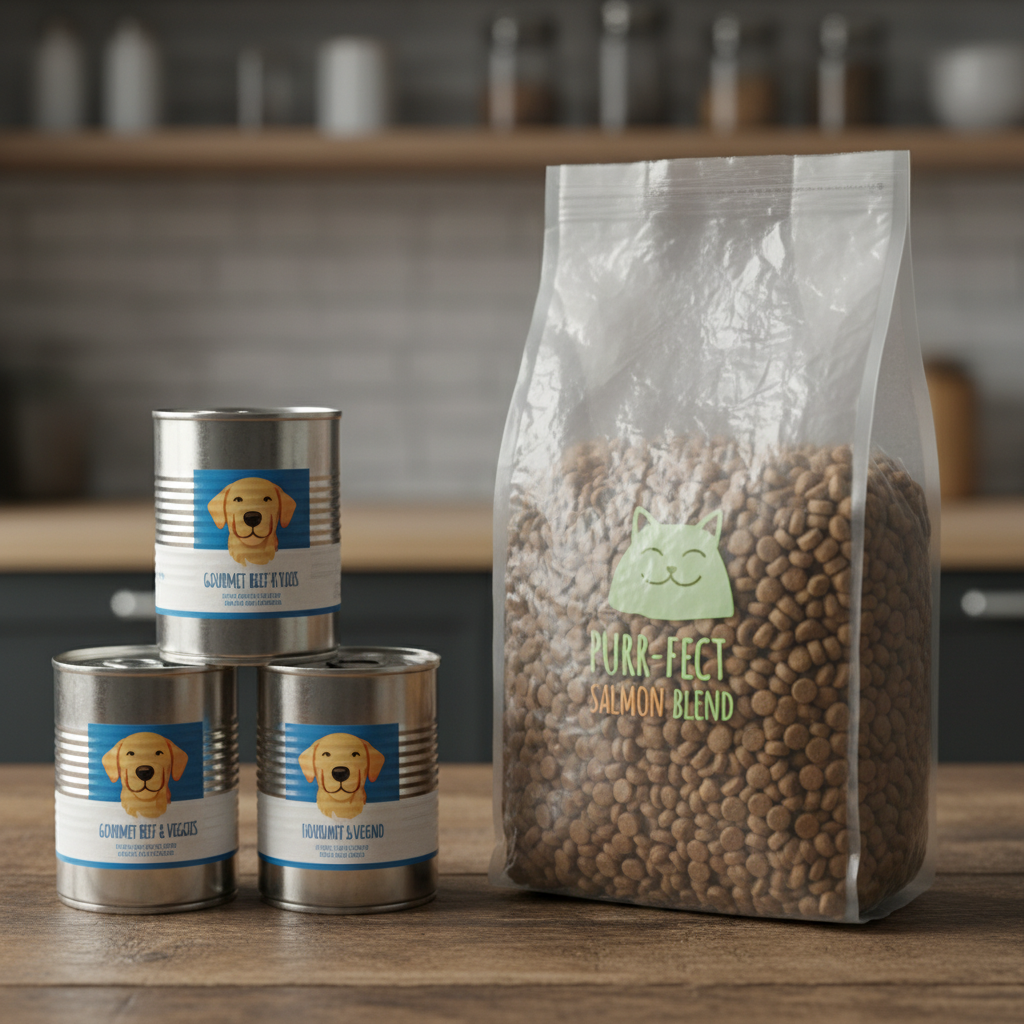
- Pate: Usually packaged in aluminum or steel cans . Although aluminum and steel are energy-intensive to produce initially, they have very high recycling rates globally. Recycling aluminum saves up to 95% of the energy used to produce new.
- Seeds: Most are packaged in multi-layer plastic bags to maintain freshness and protect against moisture. This type of packaging is difficult or impossible to recycle at regular facilities, so it often ends up in landfills.
4. Impact from Transportation
Weight and energy density play a decisive role.
- Pate: Because it is up to 75% water, pate is significantly heavier than grain per nutritional calorie. This increases fuel consumption and carbon footprint during transportation .
- Seeds: Very nutritionally dense and lightweight. Transporting the same amount of calories is much more efficient, reducing logistics costs and emissions.

Conclusion: Which Option Is 'Greener'?
There is no absolute answer. Each has its own environmental advantages and disadvantages:
- Pate is better in terms of Packaging (recyclable), but worse in terms of Raw Material Production (more meat/water) and Transportation (heavy).
- The seeds are better in terms of Shipping (light) and maybe better in terms of Ingredients (less meat), but have very unfriendly packaging .
The most sustainable option depends on your priorities. If reducing plastic waste is a priority for you, pâté in a recycled can is a good choice. If you are concerned about the carbon footprint from shipping, granola may be a better option.
Sen's advice: Look for brands that are committed to sustainability, use local ingredients, have packaging recycling programs, and choose portion sizes accordingly to avoid waste.


0 comments